Are you a Hiking guide?

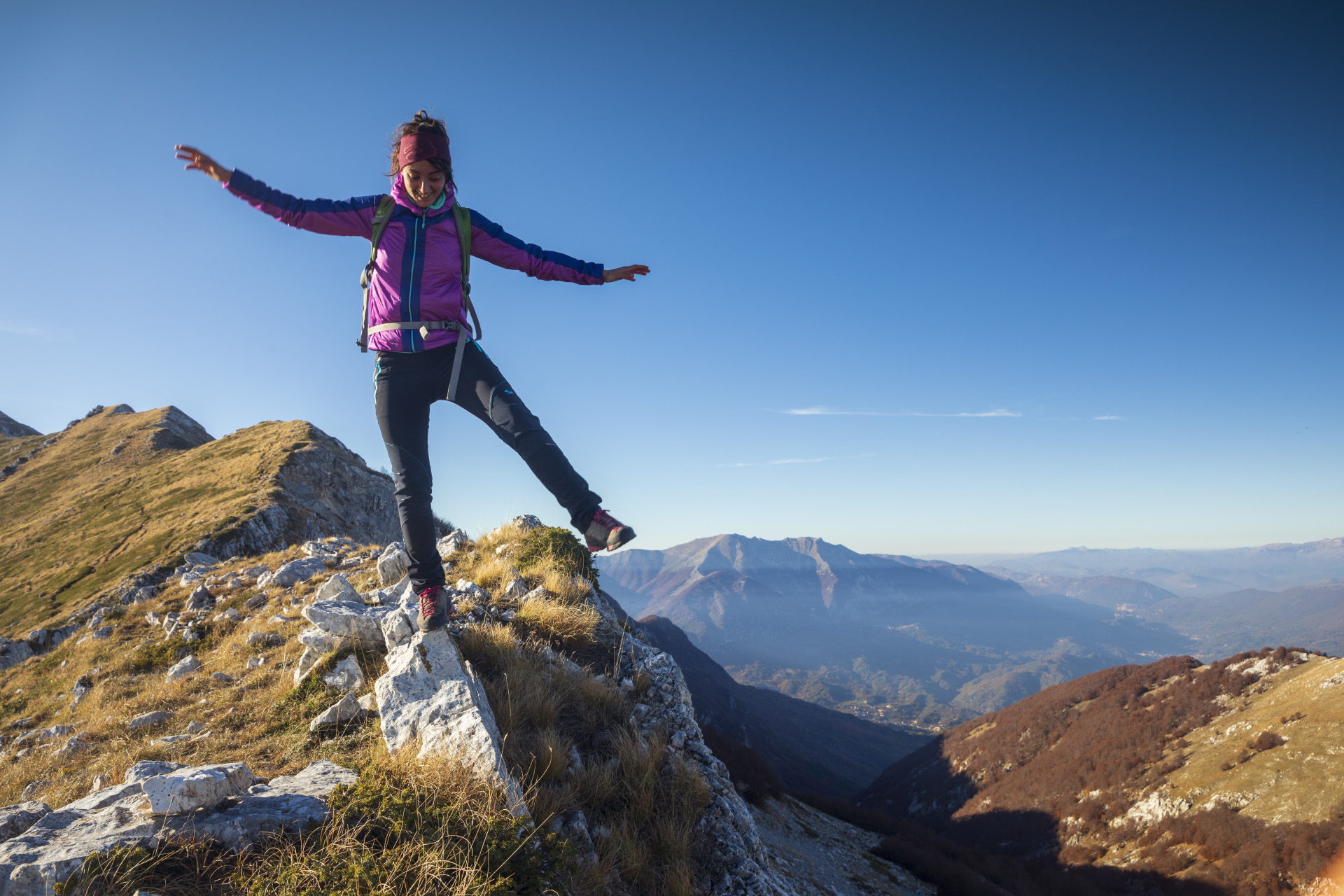
Are you a Hiking Guide?

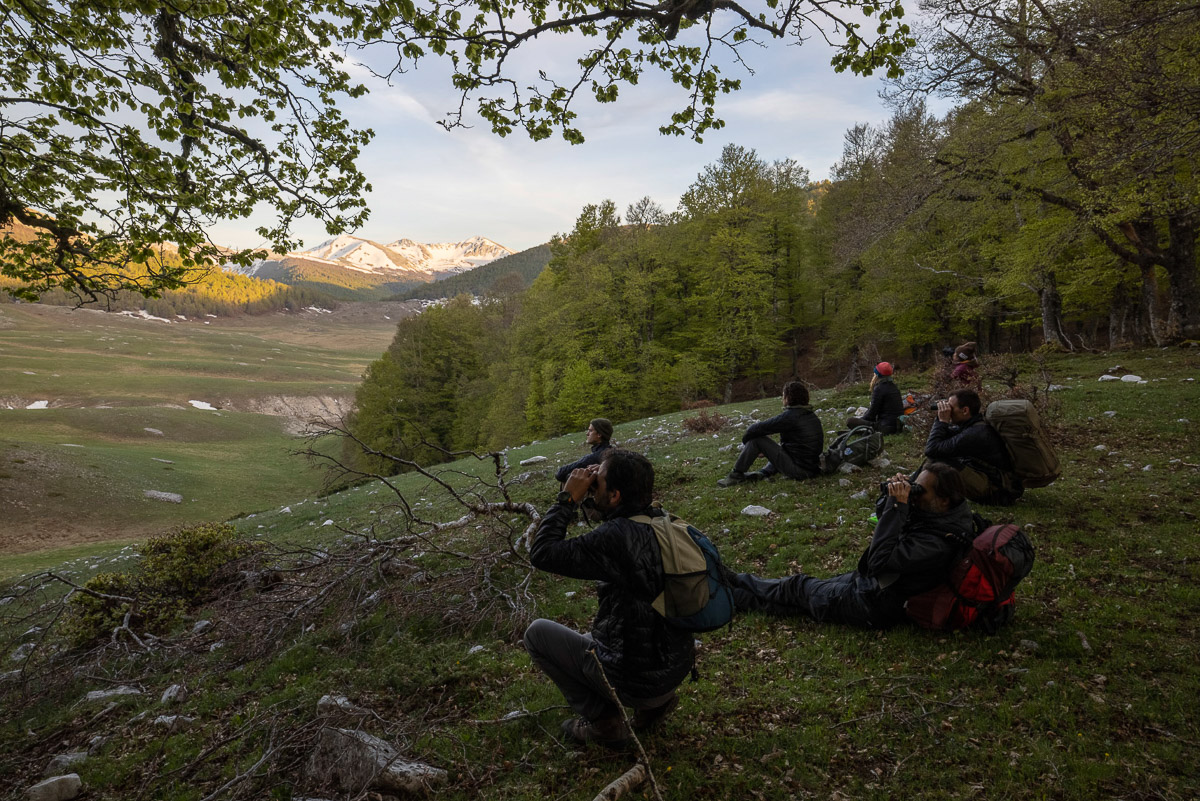
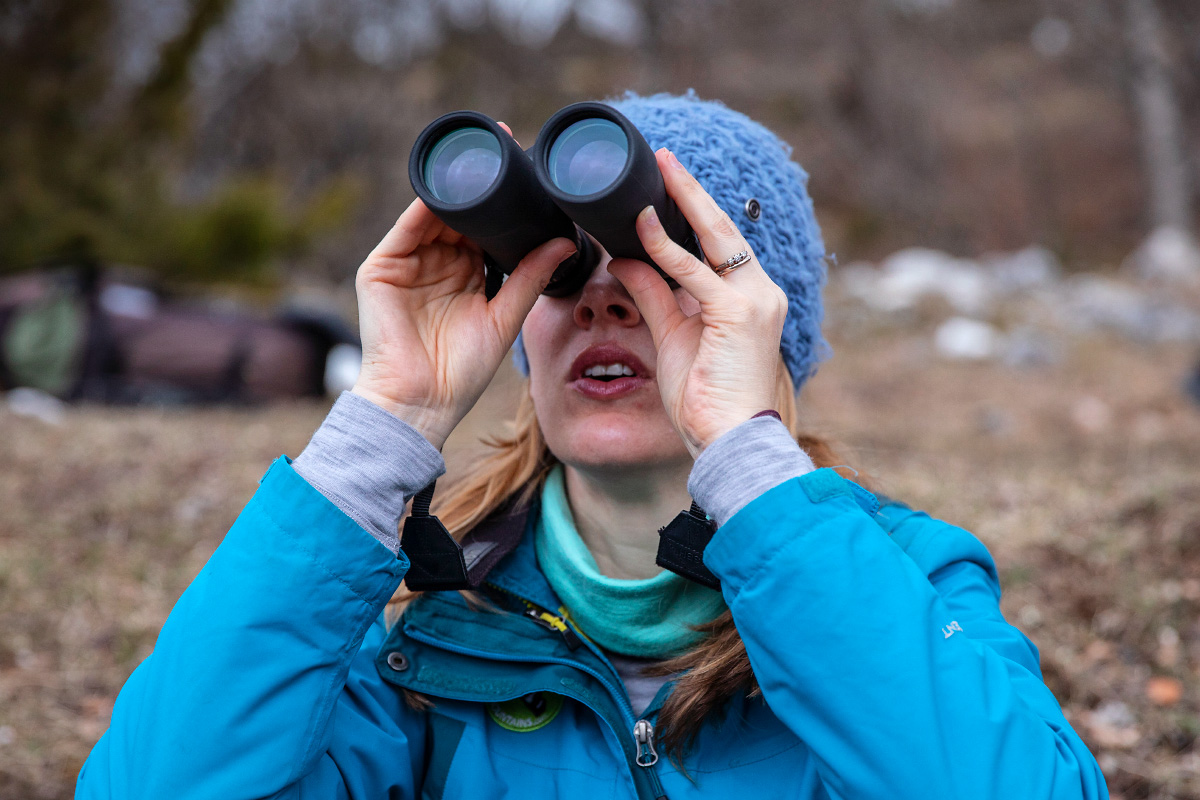
With your work, you can give a voice to the bears by teaching a respectful and conscious way of experiencing the mountains.

READING TIME 7 MIN

With your work, you can give a voice to the bears and nature.

It is both an opportunity and a responsibility. Bears need space and tranquility. For them, the forests in particular are like the walls of our homes. There is one small difference: no intercom, no door to close, or window to shut against unwanted visits. When you are in nature, move with respect and inspire those with you to do the same. Give up a little adventure for the tranquility of the animals and reduce your impact. Do not approach the animals, give them space, avoid moving at night, and stay on the marked trails.

Bears, if disturbed, can experience negative effects on their well-being for days, if not weeks, to the detriment of their integrity and health.
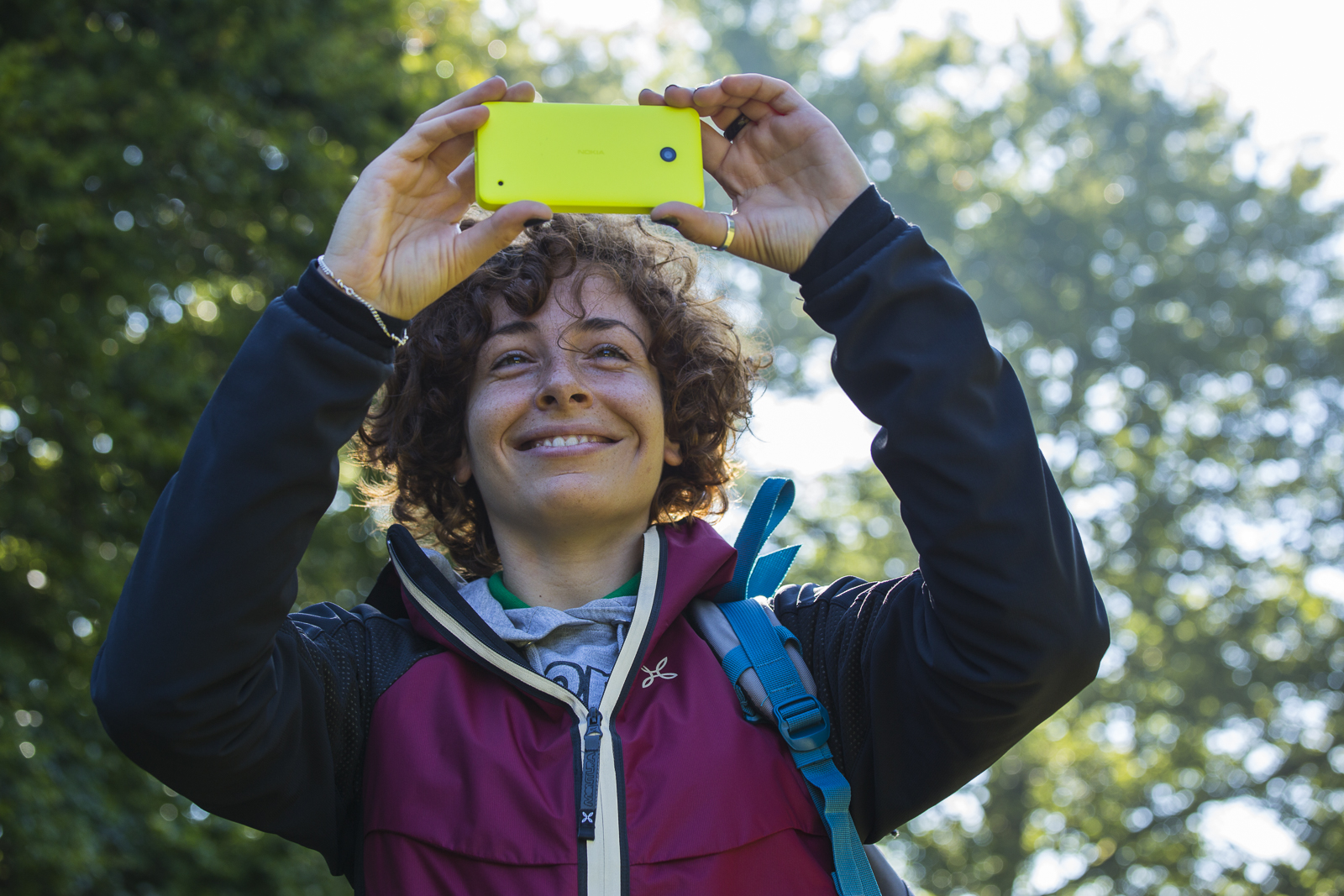
Read this list of good practices and find the one that best suits your needs.
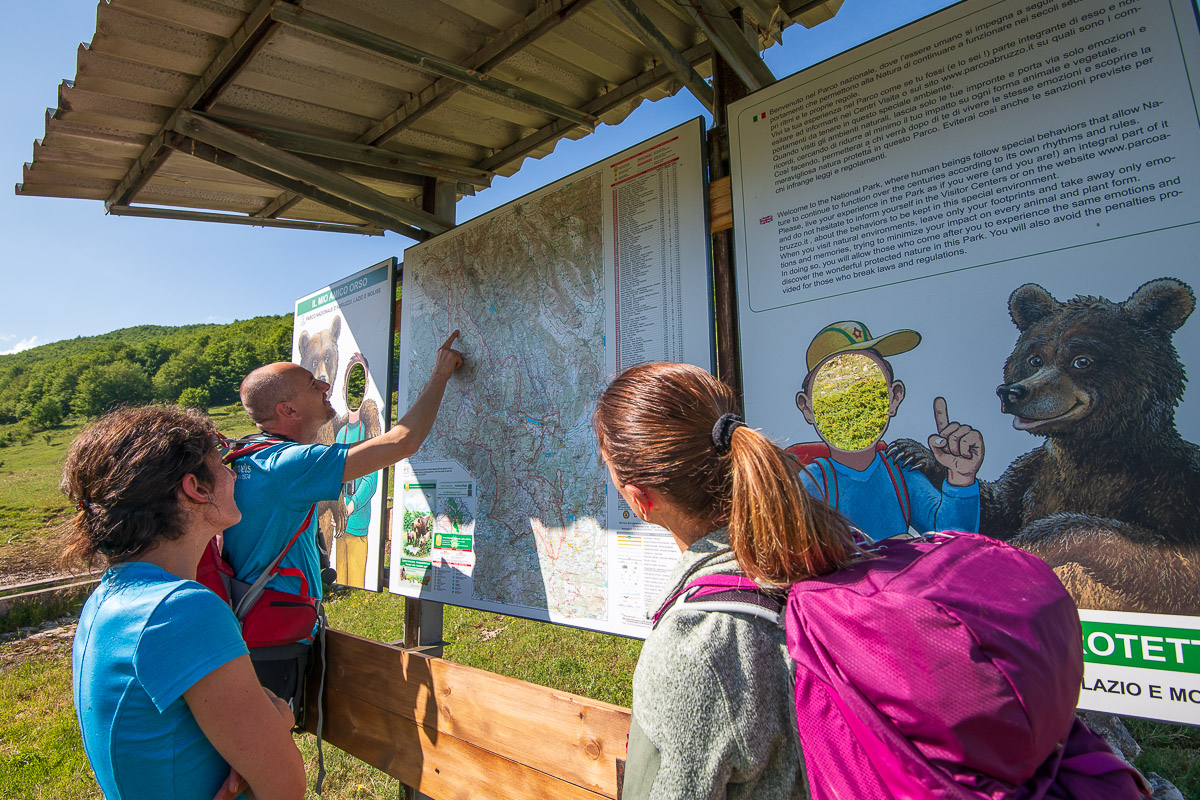
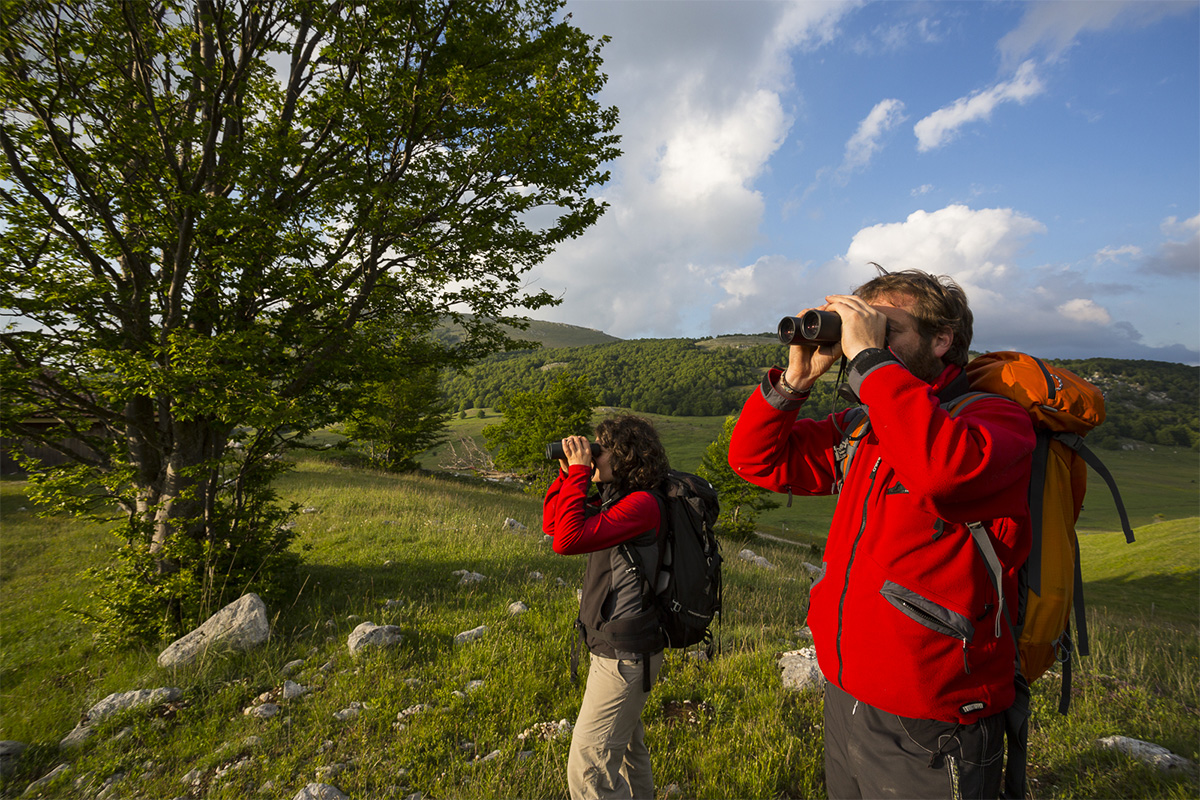
For the future of the bear, every small action we take matters. Spread knowledge, raise awareness, make a difference.
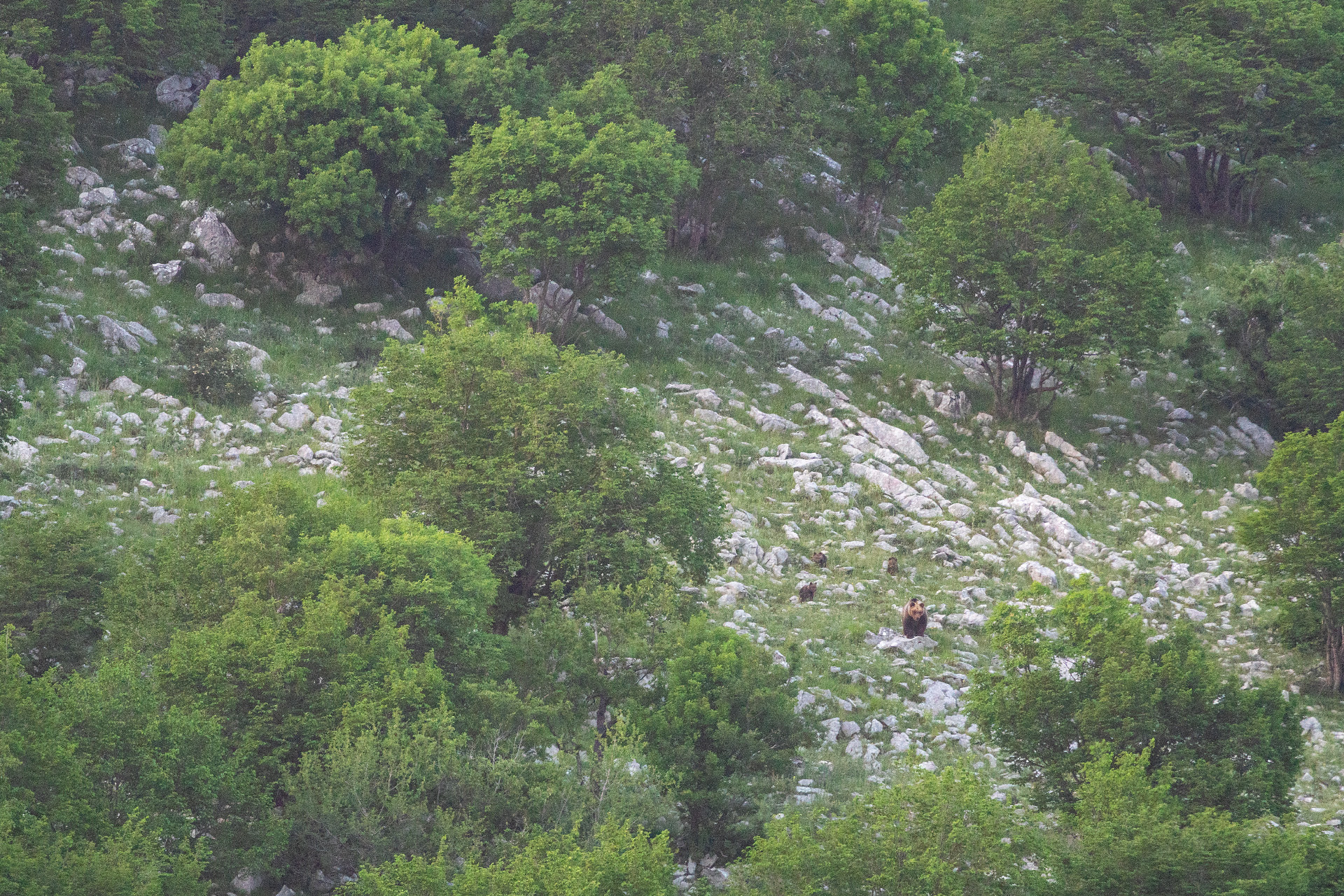
Subscribe and spread the Carta dell’orso, become a true Bear Ambassador!
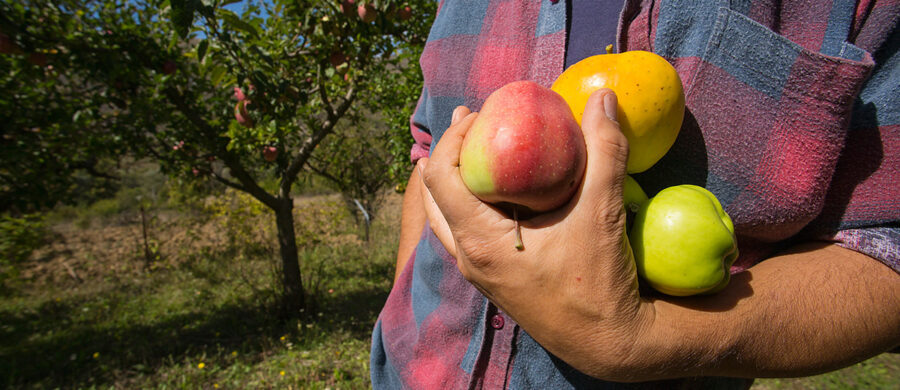
Do you own a house with an orchard or vegetable garden?

Do you own a house with an orchard or vegetable garden?

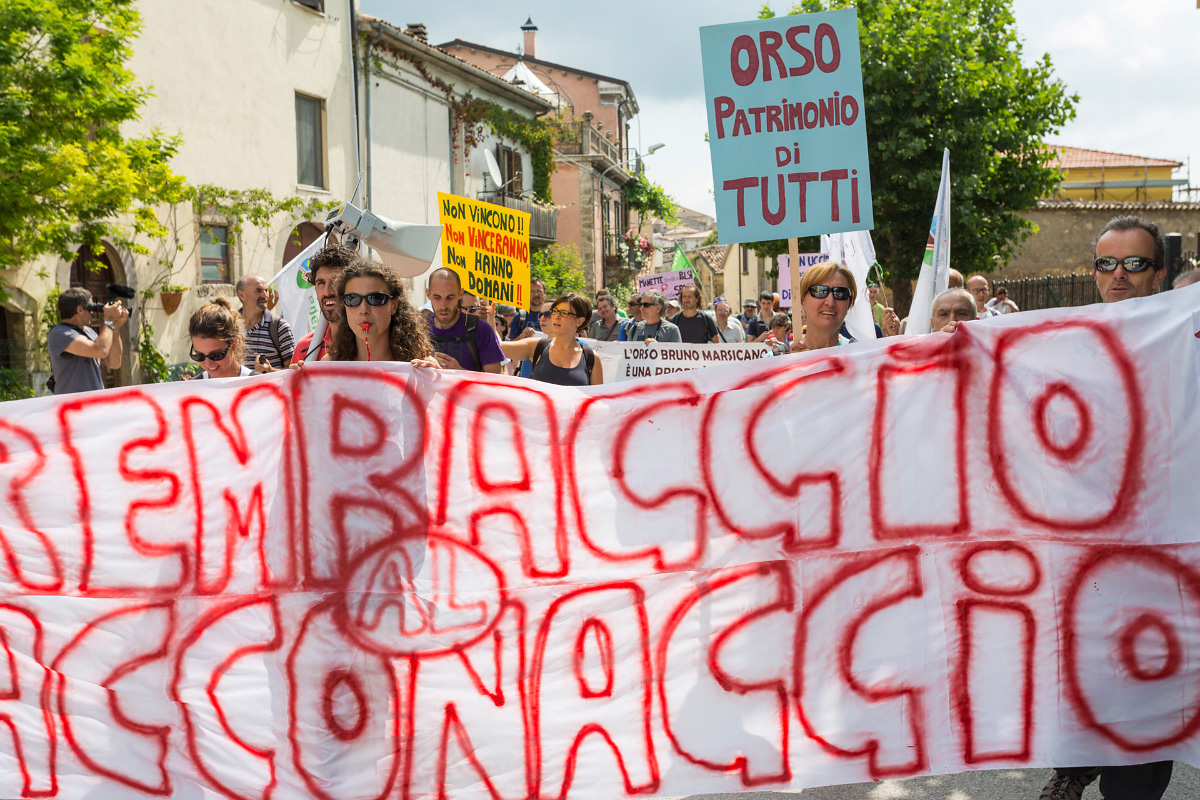
If we act like a community, we can do more for bear conservation than any administration, institution or government.

READING TIME 7 MIN

There is only one rule to follow: don’t attract the bears!

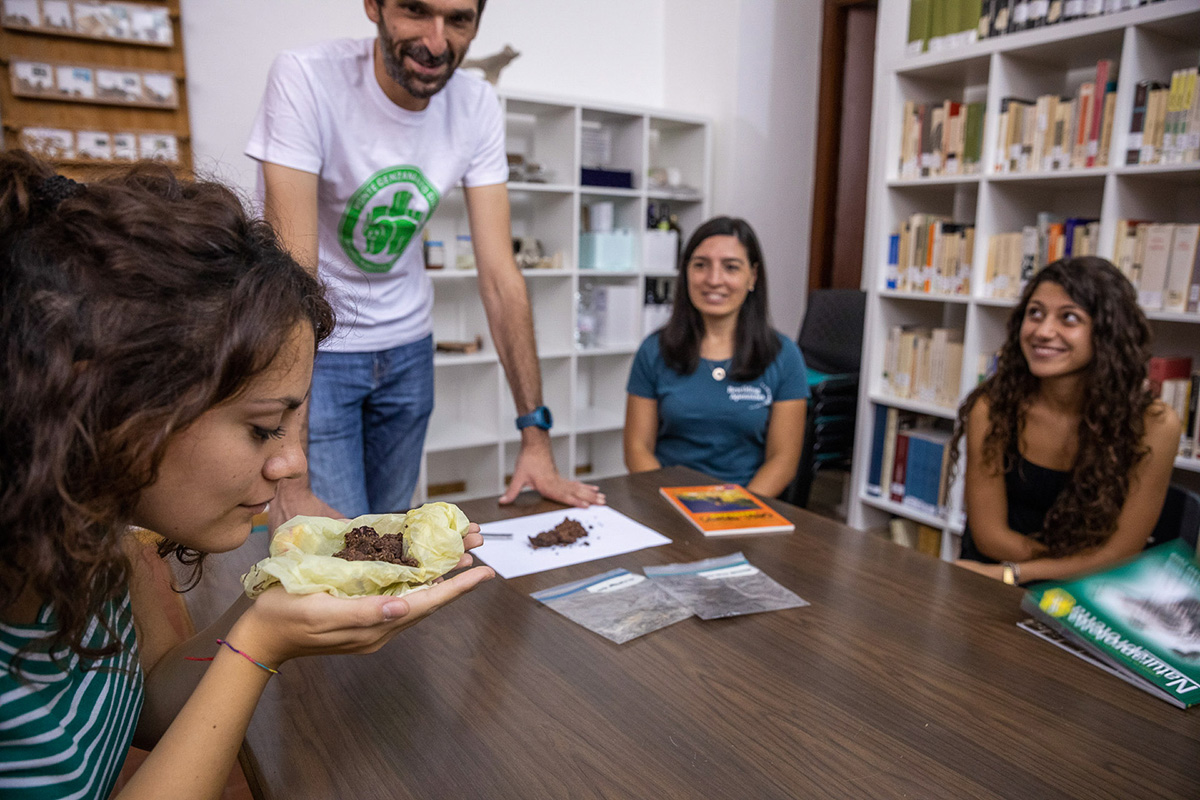
Let us remember that every sacrifice is a gesture of respect and conservation, which makes our town a true community. Is it possible to create a village that challenges the bears’ intelligence? There is only one rule to follow: do not lure bears to your town with unattended food scraps, fruit trees, feed and farm animals. Is this really possible? Yes, with simple adjustments to your daily routine and by asking yourself whether it is possible to make some sacrifices for the good of all. Securing everything that attracts bears is the only way to prevent damage to property, to avoid risky situations for people and to make bears too much of a problem.

It is much easier to secure food than to teach bears not to look for it. It is a very rare event to be attacked by a bear in your own backyard, but why play with safety?

Read this list of good practices and find the one(s) that suits you best:

With this list of best practices, you can help your community coexist better with bears:

For the future of the bear, every small action counts. Spread knowledge, raise awareness, and make a difference.

Subscribe and spread the Carta dell’orso, become a true bear ambassador!

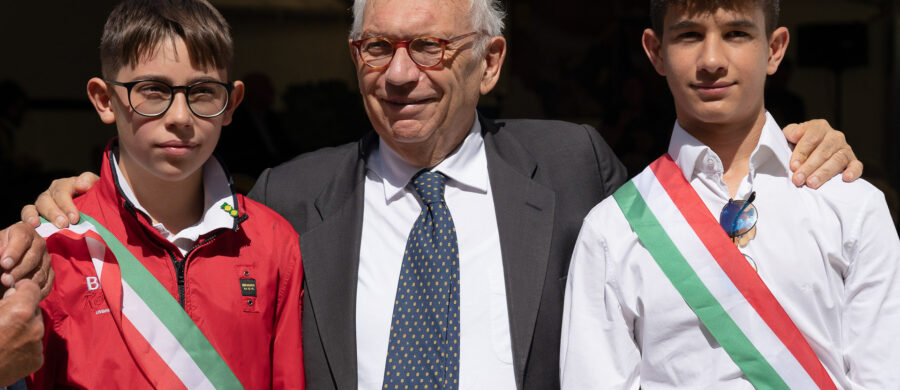
ministro bianchi mini sindaci
Are you a municipal administrator?

Are you a municipal administrator?

A village that balances its needs with those of the bears can open the door to many unexpected novelties.

READING TIME 7 MIN

Taking care of the wellbeing of bears is an act of respect and conservation, and it makes our town better and more visible. Is it possible?

Remember that every sacrifice is a gesture of respect and conservation. It makes our municipality better and more visible. Is it possible to create a village that challenges the bears’ intelligence? There is only one rule to follow: do not lure bears into your inhabited area with unattended food leftovers, fruit trees, feed, and farm animals. Is this really possible? Yes, with simple adjustments to your daily routine and by directing citizens to adopt conscious, responsible and community-friendly behaviour. Securing everything that attracts bears is the only way to prevent damage to property, to avoid risky situations for people and to avoid making bears too problematic. Bears learn from their experiences. Once they have discovered that there is food, they return to it, this means they can be easily conditioned.

It is absolutely much easier to secure food than to teach bears not to look for it. It is a very rare occurrence to be attacked by a bear in your own backyard, but why play with safety?

Con questa lista di buone pratiche potrai aiutare la tua comunità a convivere meglio con gli orsi:

For the future of the bear, every small action counts. Spread knowledge, raise awareness, and make a difference.

Subscribe and spread Carta dell’orso, become a true Bear Ambassador!
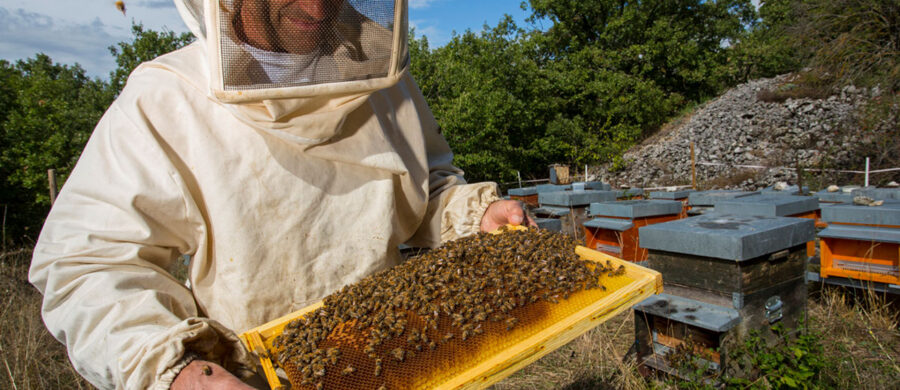
Are you a farmer or a breeder?

Are you a farmer or a breeder?

Whether it is for passion or for work, by protecting what you care about you can contribute to bear and nature conservation

READING TIME 7 MIN

There is only one rule to follow to coexist with bears: do not attract them by protecting what you care about.

Whether it is for passion or for work, by protecting what you care about you can contribute to bear and nature conservation

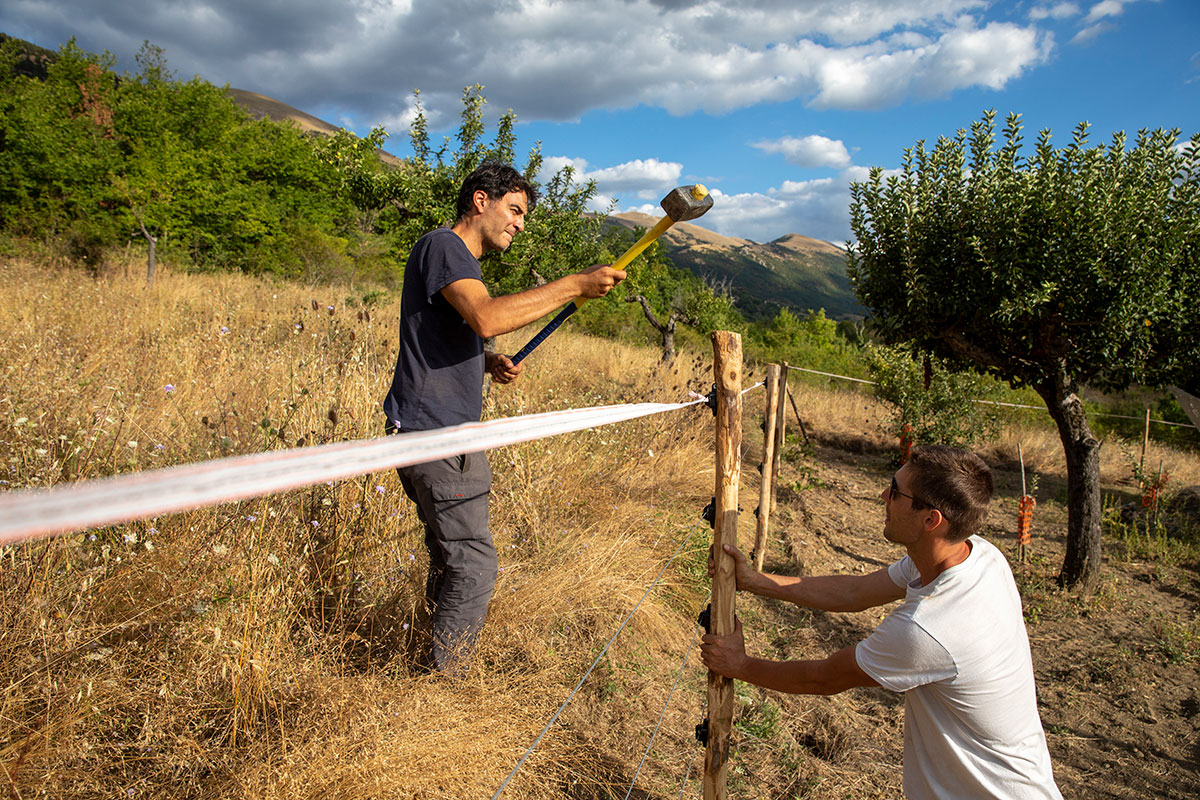
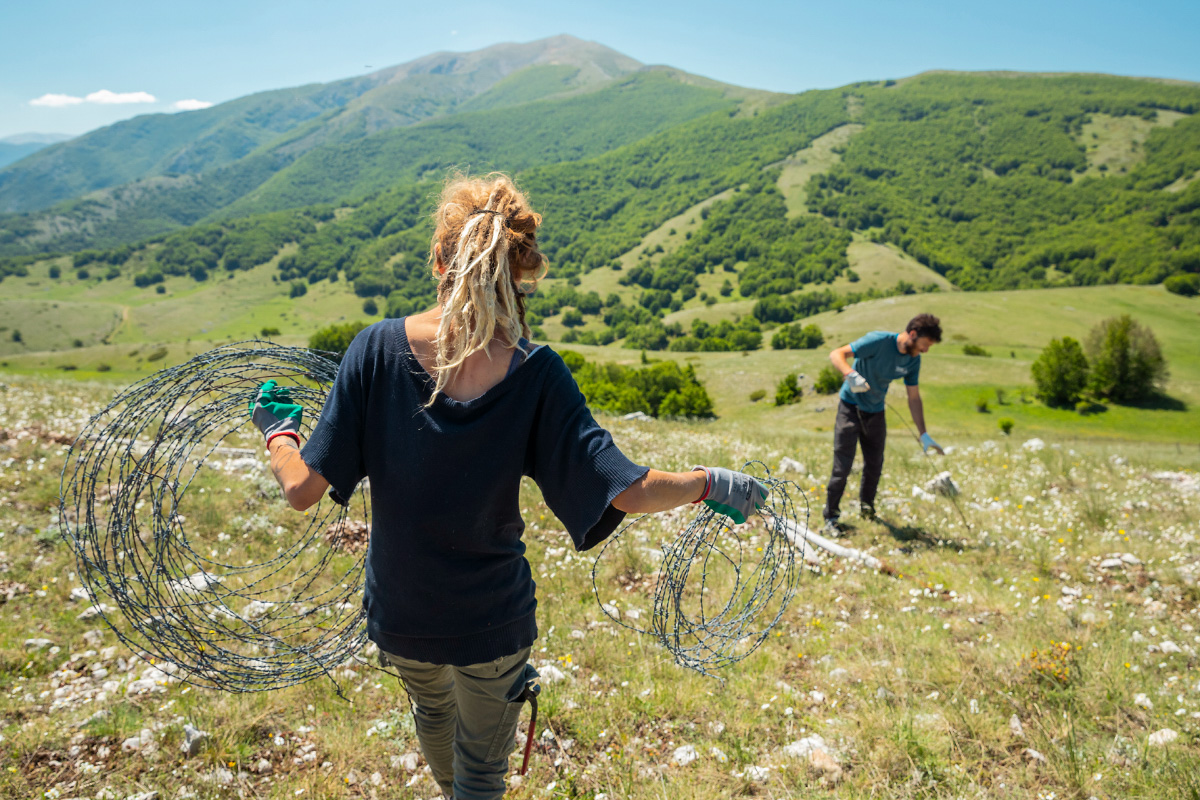
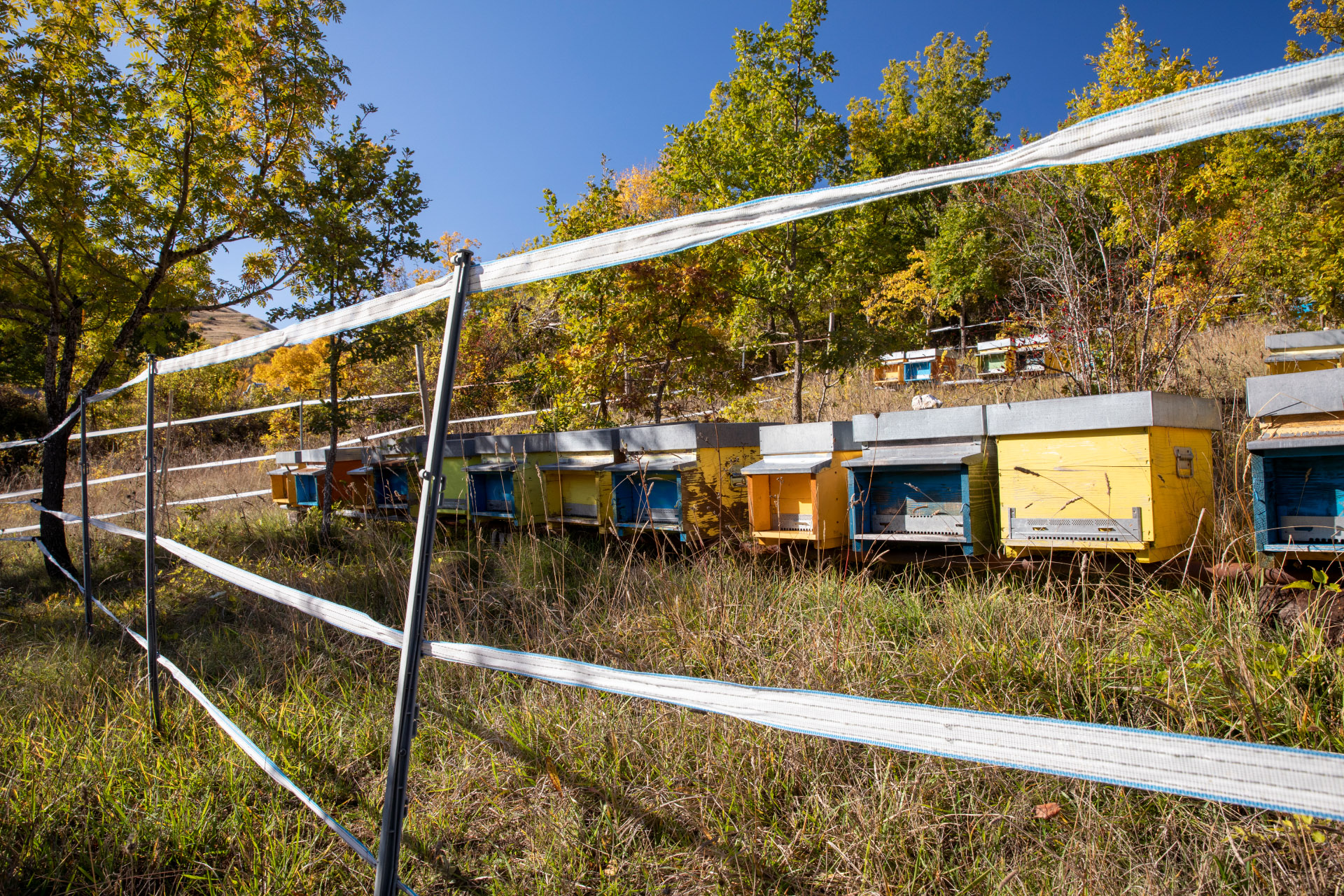
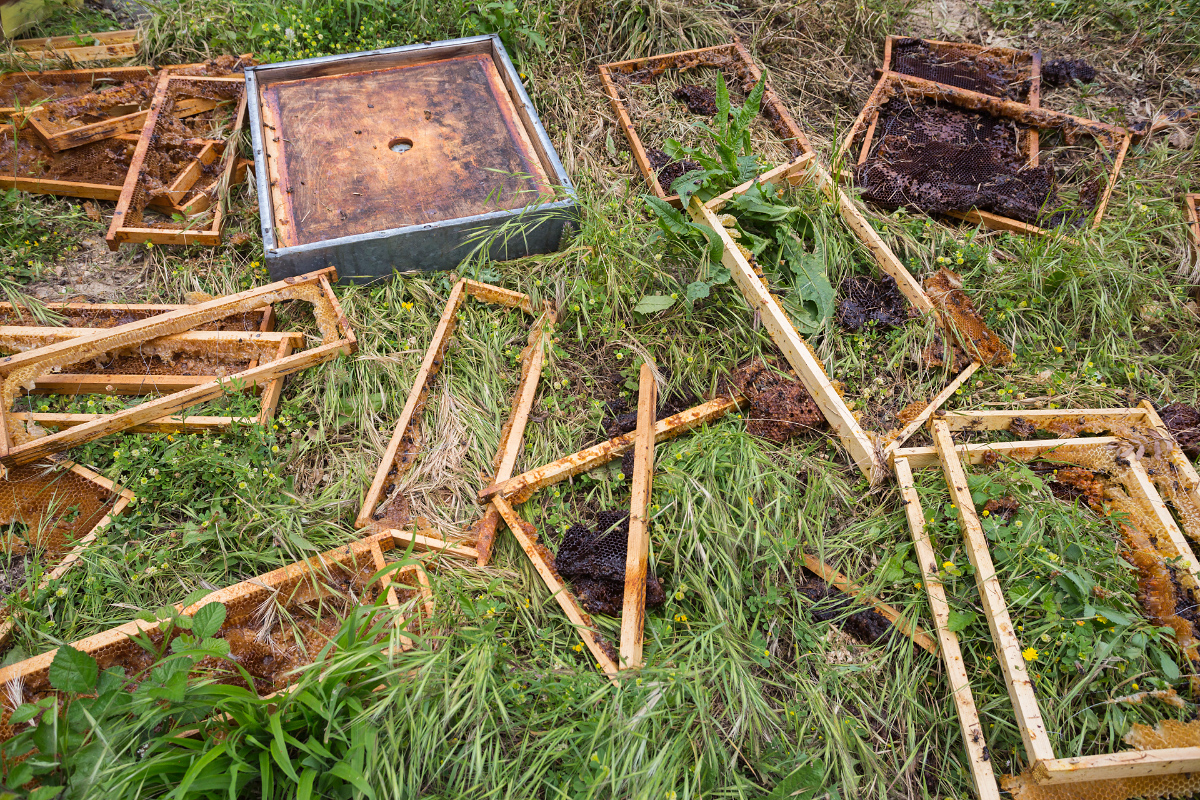
Maybe you have a passion for nature, or you are linked to it for work – by protecting your livestock, your bees or your crops with non-lethal methods, you are the first to contribute to bear and nature conservation. Is it possible to have an activity that puts the bears’ intelligence to the test? There is only one rule to follow: do not attract bears by protecting what we care about. Is this really possible? Yes, with adjustments to your daily routine and by investing in ideas, creativity and solutions. Securing everything that attracts bears is the only way to prevent damage to property, to avoid risky situations for people and to avoid making bears too problematic.

It is absolutely much easier to secure food than to teach bears not to look for it.

Read this list of tips and find the one(s) that suit your needs best:

For the future of the bear, every small action counts. Spread knowledge, raise awareness, make a difference.

Subscribe and spread Carta dell’orso, become a true Bear Ambassador!

Take action

What can you do every day for bears?

The list of actions promoted on this page is not intended to be definitive. It consists of many small concrete actions that each of us can take to contribute to the conservation of bears, their environment, and our community.

Join us in raising awareness and sensitivity, and in taking small but important actions for the bear.
Because what benefits these animals also benefits us.

Being able to observe bears in the Apennines today is a sign that conservation efforts have been successful and are moving in the right direction. However, there is still much to be done. The challenges remain numerous, but there are also plenty of opportunities and people ready to solve them. In this area, there are strong foundations to build a great “nature-proof” community, aware that living in harmony with the environment is the best, or perhaps the only, way to continue our lives on this planet. But we must take this commitment now — there is no time to delay.

We all have the extraordinary opportunity today to contribute to preserving nature, each with our own role and responsibility.
For ourselves and for those who will come after us.

Subscribe and spread the Carta dell’orso, become a true Bear Ambassador!

The Earth is a community to which we belong, and for this reason, it deserves love and respect.
How can you begin?

Thank you for showing interest in bears and for wanting to do your part to ensure they continue to live in their habitats, now that we understand how important this is for our own lives as well.
Remember that the Earth’s ecosystem is one, and what applies to the bear also applies to all other species, their environment, and to us.

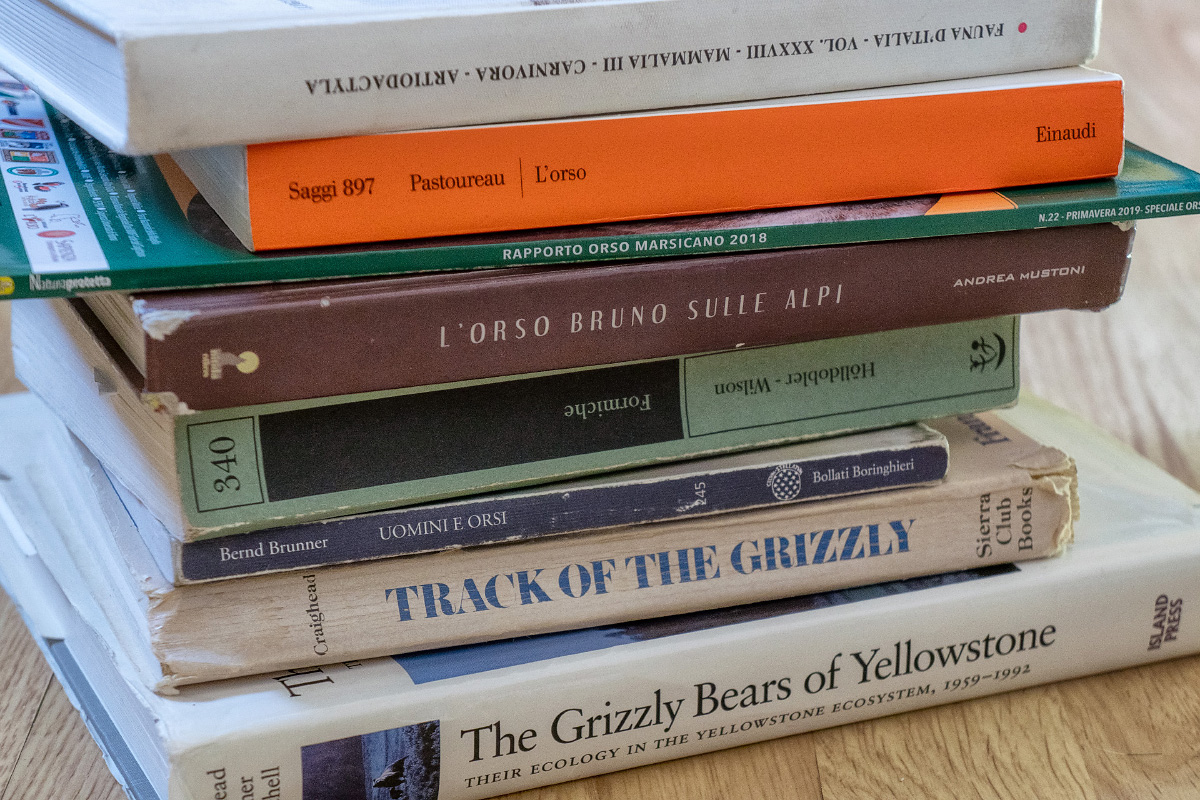
Follow your curiosity

The future of the bear and our planet is in the hands of curious people.
Asking questions is the only way to find answers and understand how to act.

Reflect on the impact of your actions on the bear and the environment, both at home and in nature.

Read our stories all the way through and follow the links for more information.

Subscribe to our newsletter and contact us for questions and curiosities.

Reconnect with nature

Spending time outdoors is the best way to reconnect with a sense of belonging to the natural world.
It can also enhance our cognitive, communicative, and social abilities, as well as offer physical benefits.

Set aside at least one day a week to walk in nature, either alone or with someone close to you.
You can do this in a nearby park, in a natural environment, or in a protected area not far from home.

Whether you live in the city or the countryside, take time to observe the nature around you, even from your window sill.

Live nature with empathy

Taking care of your neighbors, even the non-human ones, is the first step to building connections with the world around you. Respect them as you would want to be respected.

If you see a bear or another animal crossing or traveling along a road, do not approach or chase it, but allow it to move away.

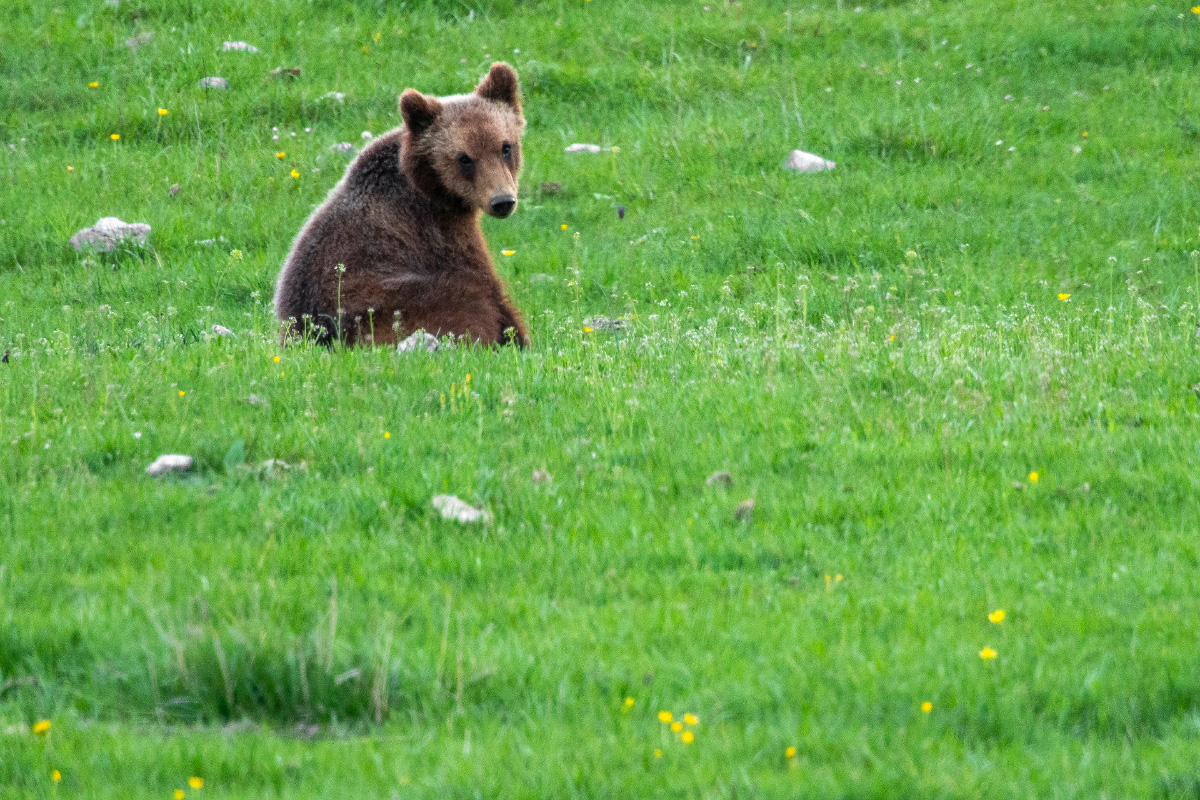
If you’re fortunate enough to observe a bear in nature, stay at a distance. If possible, retrace your steps to avoid disturbing it or wait for it to move away.

Animals do not have a sense of ownership, but like us, they value privacy and tranquility. When you’re in nature, stay on the trails. If you’re in a protected area, always follow the regulations in place.

Remember, they are wild animals, not pets. Even if they seem sick, they do not need your help. Do not leave food or trash lying around for any reason.

Share your emotions

We protect what we love, and we love what we know. The more people are aware of the bear’s story, the greater the chance we have to conserve it along with all the other wonders of our planet.

Talk about the bear and encourage others to do the same. Share the stories that have inspired you the most.

Take every opportunity to share your love for the bear and nature.

Go beyond the news

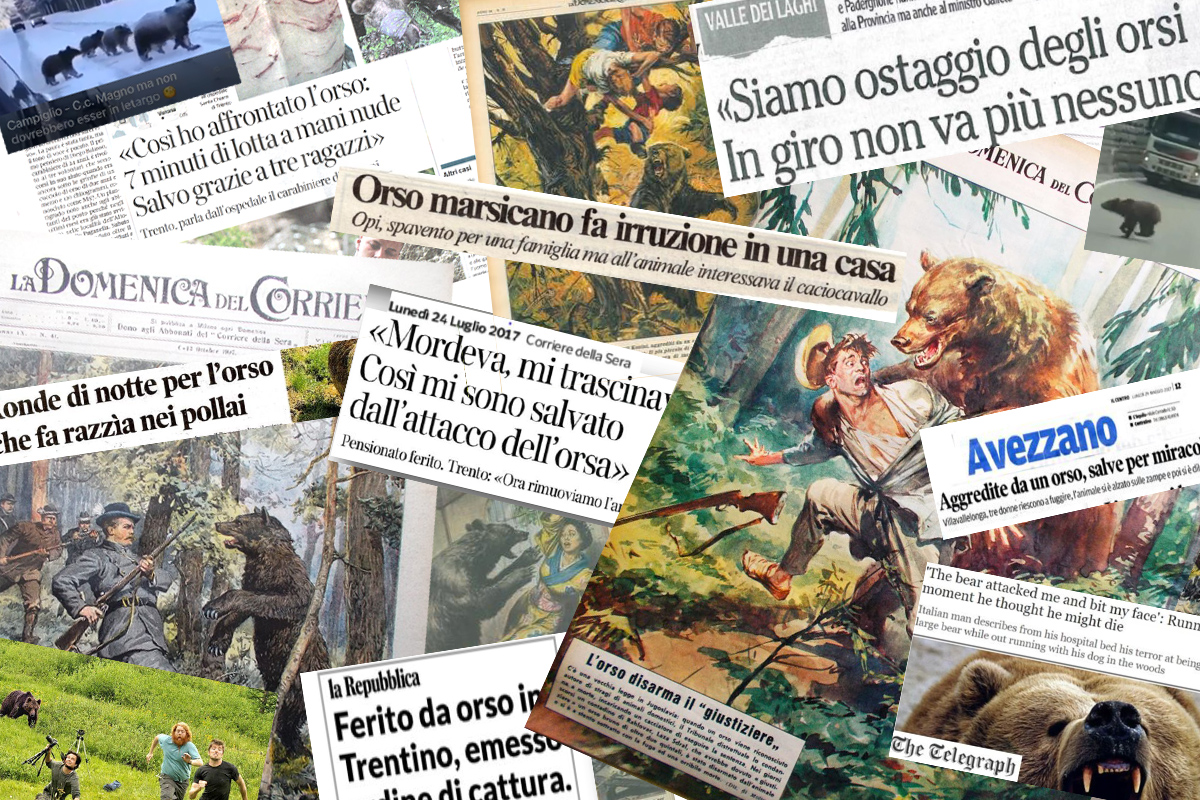
Conservation does not need sensationalism or polarization, but rather emotions, rationality, facts, and solutions.

Do your research before sharing information. Many news stories about large carnivores are manipulated to grab attention, or even completely fabricated.

Get informed through trusted institutions and reliable sources. Report false news to promote greater awareness among others.

Do not share videos of people chasing or approaching a bear or another animal to film it. Ask yourself what the animal is feeling. Do not make such content go viral.

Cooperate and partecipate

Each of us can make a difference, but working together is more effective.

Collaborate with non-profit organizations that focus on concrete actions for nature conservation.
Always ask to be updated on the impact and results of the initiatives you participate in. You can start here: Salviamolorso.it or Rewildingapennines.com

Collaborate with protected areas that are looking for volunteers for conservation and research activities.
You can start here: parcoabruzzo.it

Take action to reduce potential conflicts between wildlife and your activities within your property.
For information, always contact the protected area where you live or the nearest one. Alternatively, follow the guidelines on protezionebestiame.it and bearsmart.com.

Don’t close your eyes

There are never enough eyes to monitor a natural area. Do your part — nature is a common good, and it’s important that it is respected by everyone. This also means taking care of your territory.

If you encounter people interacting with a wild animal in the wrong way, kindly point out the proper behavior they should follow.

Do not draw attention to the presence of a bear, especially along a road or in an urban area.
However, report the animal to the relevant authorities. Inform the authorities about any illegal actions against animals or the environment.

Make your voice heard

Engage with your institutions (municipalities, park authorities, and regions). Knowing what is happening in your area is your right. Informing is their duty. One voice may end up in a drawer, but many voices cannot be ignored.

Get informed about roles and responsibilities, follow events, and verify commitments. If you see something is not working, apply pressure to central authorities, NGOs, or the media. To learn more about what is being done for the bear, visit parcoabruzzo.it and salviamolorso.it.

Remember that our Constitution allows citizens, both individually and collectively, to promote initiatives of general interest that institutions are required to recognize, support, and integrate into their policies. Get inspiration from these sites: labsus.org

Events and petitions are a great way to increase the visibility of environmental debates. Participate and organize peacefully and respectfully. Get inspiration from these sites: change.org; and subscribe to salviamolorso.it newsletter.

Vote for politicians and local administrators who care about nature conservation, as it is a common good and essential for our well-being. Pay attention to the contents of political programs and read them with a focus on how much emphasis is placed on nature conservation in their proposals.

Social media, when used correctly, are an excellent way to bring conservation issues to the attention of the public, institutions, and politicians. Get inspiration from these guidelines: wilderness.org.

Spread positive and proactive examples of conservation. To start finding success stories of coexistence.life, bearsmart.com e difesattiva.info.

Always remember that words have weight, even in nature conservation. When communicating with institutions or other citizens, when launching a petition, or when protesting, adopt non-hostile and non-violent language.

Riduci la tua impronta

We are over seven billion, and many studies indicate that our consumption and waste go well beyond what is necessary and sustainable, depleting and increasingly weakening our planet. asvis.it

Simply by consuming less meat or lowering the thermostat temperature by just a couple of degrees.
What if these small actions were repeated every day by all of us? carbonfootprint.com e esplora questi link janegoodall.it

Simply by recycling and reusing everything you can or using eco-friendly and non-toxic cleaning products.
What if these small actions were repeated every day by all of us? carbonfootprint.com e esplora questi link janegoodall.it

Simply by reducing the time spent in the shower or turning off the tap while brushing your teeth, we could reduce our impact.
What if these two small actions were repeated every day by all of us? carbonfootprint.com e esplora questi link janegoodall.it

Many animals have gone extinct or are at risk due to illegal trade and trafficking. Many countries, such as Italy, have passed legislation limiting the trade of wild animals and products made from their parts. Find out how you can contribute..

Over the years, humans have contributed to the voluntary or accidental transport of many plants or animal species outside their native areas, which, by settling, have caused severe damage to the species and ecosystems originally in that place, often accompanied by economic and health problems. Find out how you can contribute

Every day, wherever you are,
be curious, reconnect, care, and take action.

BACK
error: Content is protected !!