The status of bears in the Apennines

The status of bears in the Apennines

Great potential, but a fragile fate

READING TIME 11 MIN

The first attempts to quantify the number of bears actually present in the Abruzzo, Lazio and Molise National Park (PNALM) date back to between the 1970s and 1990s.

In those years, the presence of bears was essentially limited to the area of the PNALM, with a number of individuals varying between 100 and 40, depending on the sources. It is difficult to say with certainty what happened in the population during that twenty-year period, as the methods used to count the bears were still rudimentary. With the advent of innovative non-invasive genetic techniques, in the decade between 2004 and 2014 researchers were, however, able to produce more reliable numbers, showing that over this period the population had remained stable at around 50 bears. A small population in terms of numbers, but with a medium to high density (about 4 bears per 100 km2) and composed mainly of adults (about 60% of bears) with a positive balance in favour of females.

Counts of bears made from the 70s to today. Only after 2004, the introduction of new methods made it possible to produce more accurate data and the degree of precision of each count. The vertical bars represent the uncertainty around the point value.

In the same time frame, researchers also produced the first map of bear distribution in the central Apennines. Despite the generally high level of environmental suitability documented in the Apennines, the bear’s range only extends for about 5422 km2, with a core area of stable presence limited to little more than the area of the PNALM, including the buffer zone and some external areas (about 1460 km2), with an additional peripheral area extended as far as the Sibillini (about 3962 km2) where a few itinerant males are occasionally reported. Until 2014, the presence of family units, in other words, females capable of reproducing, was limited to little more than the area of the PNALM. Research conducted by biologists, geneticists and statisticians has identified the main causes of this lack of numerical growth and geographical expansion as the low number of females reproducing each year in the population, the cubs’ high mortality rate during the first year of life and the excessive levels of mortality in adult females.
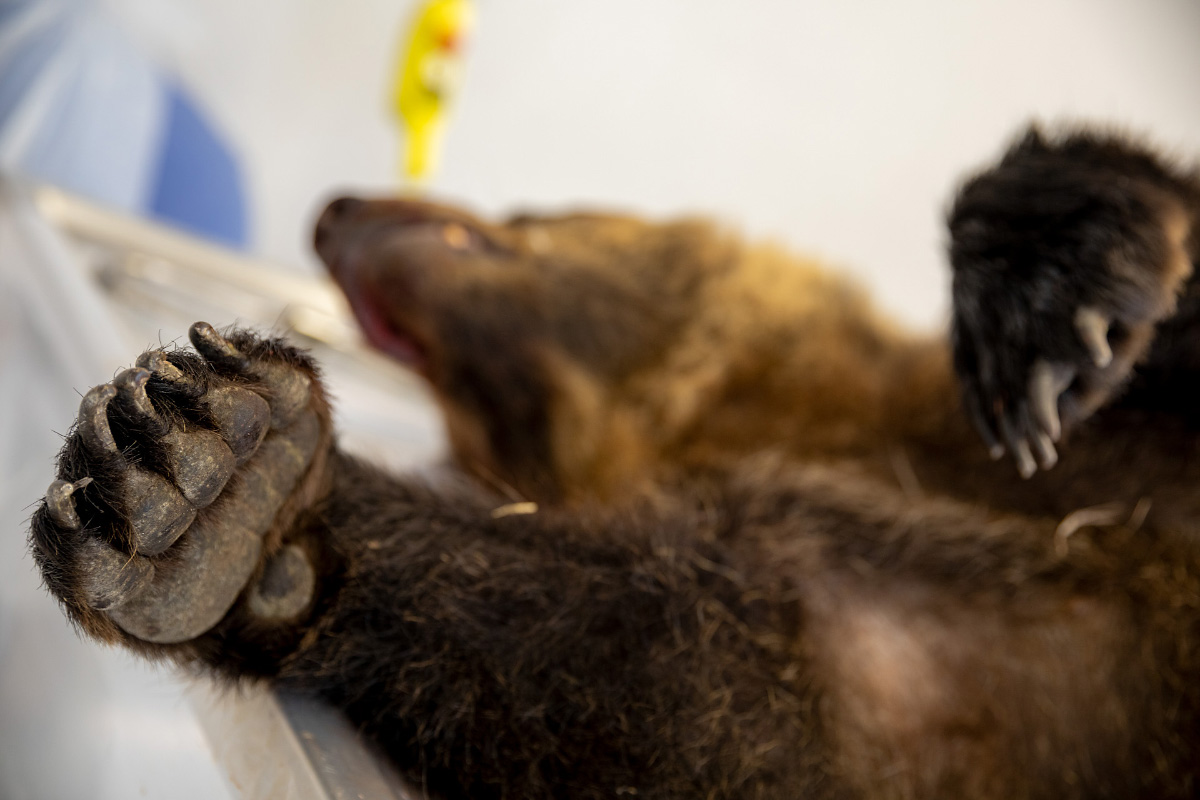
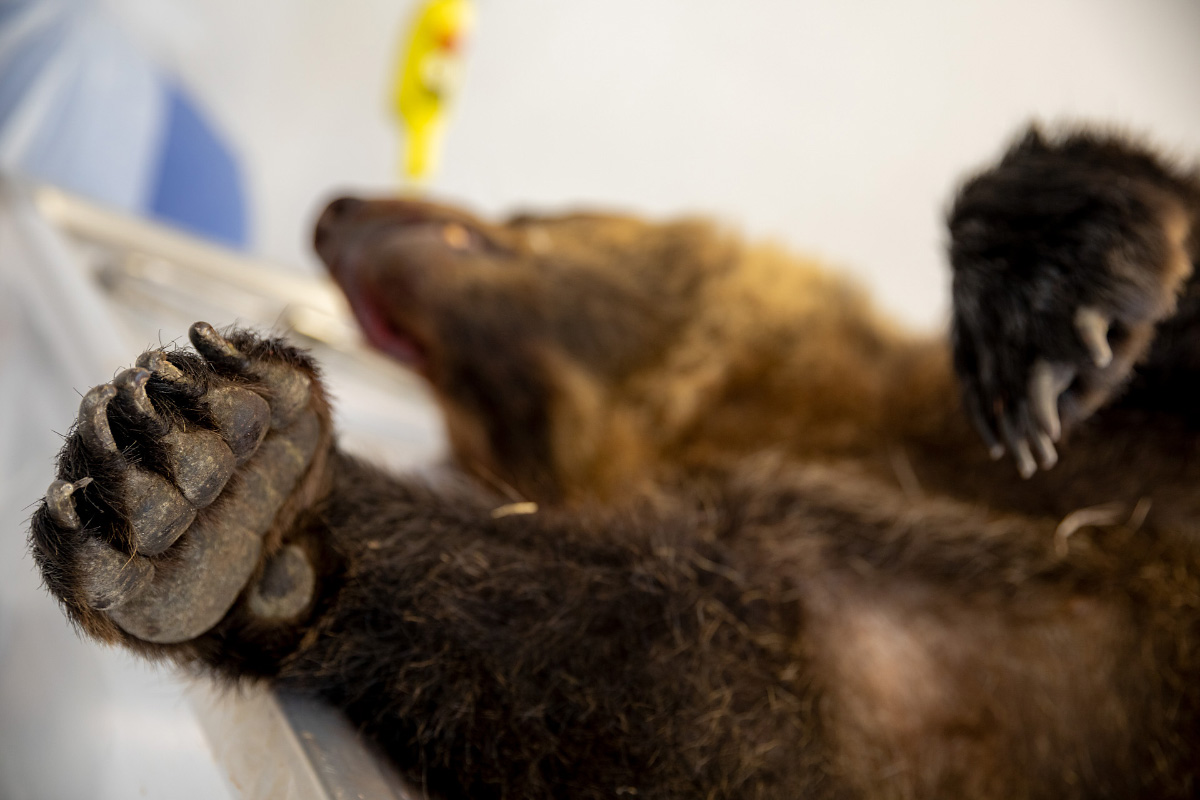
A female of bear hit by a vehicle and killed in Molise in 2019.

Each breeding season, this small population makes the most of all its resources in order to reproduce

Every summer for more than 10 years since 2006, researchers, technicians and volunteers have been working together to obtain information on the reproductive capacity of the population. From 2006 to 2014, 1-6 females with offspring were recorded each year in the PNALM, in 70% of cases associated with 2 or 3 young, with a total of 3 to 12 newborn cubs each year. So it only takes one hand, two at most, to count all the females breeding in the core area. This figure is not surprising, as it is a small population, with females accounting for just over half. Considering that bears do not breed every year and excluding young females, it is rare to expect more than 4 or 5 females to give birth each year. Despite these efforts, the average number of female cubs a mother manages to raise each year (known as the reproduction rate) is just 0.18, one of the lowest known in Europe and beyond. How can a female give birth to less than one cub per year? This is explained by the fact that females do not reproduce every year. Births are usually between 3 and 4 years apart. It can also take more than 6 years for a female to give birth for the first time and it seems that some females may not reproduce for as long as 10 consecutive years. What’s more, half the cubs born do not survive until the following year, very low values compared to other brown bear populations. Considering all these facts together, the breeding times for Apennine bears mean that the death of a reproductive adult female bear leaves a void that a female cub may take as long as 12 years to fill. If you consider that survival after the first year of life can’t be taken for granted, that time may be even longer.

Zoologist Paolo Ciucci tells us about bears and numbers.

Being so many and so closely related may not work in the bears’ favour

A number of hypotheses may explain these numbers. Every living species has its own self-regulating systems to ensure that the number of individuals tends not to exceed certain critical values, thus reducing, for example, competition for food. Infanticide by adult males and inhibition of subordinates’ reproduction by dominant females are both systems employed by bears in large populations in Scandinavia and Alaska. Cases of proven or suspected infanticide have also been documented in the last ten years in the Apennines. Although bears have probably reached their maximum numbers in the core area, the generally good health of the individuals captured, both in the past and recently, the rich and diversified diet observed in individual animals, the small size and wide overlap of the territories and the females’ ability to give birth to up to three cubs in a year mean that undernourishment can be excluded as a reason for the bears’ failure to survive or reproduce . It cannot, however, be ruled out that the high rate of inbreeding among Marsican bears may be responsible for the occurrence of birth defects, diseases and congenital malformations that weaken the newborn cubs or reduce the females’ fertility.

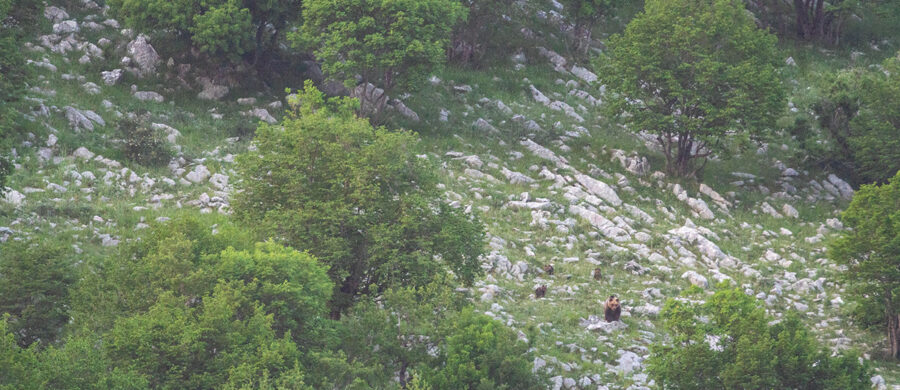
On a May afternoon, a female bear emerges from the woods with her two cubs in tow. It is the first time the sow has taken her cubs out of the den, where they were born. To do this, she has chosen a quiet, rugged area where neither humans nor other bears should bother them until the cubs are able to follow her on her journeys. All hope for this small Apennine population rests with these experienced females.

E’ nella sopravvivenza delle femmine adulte che si gioca il futuro dell’orso

Estimated at 13 to 14 in any year, many experts consider the number of reproductive adult females to be extremely low, especially when compared to the number of females that die each year. From 1970 to 2014, an average of 2 to 3 juvenile and adult bears were found dead each year, including at least one female more than a year old. This corresponds to a mortality of about 6% of the females counted in this population, excluding youngsters from that year. Considering that some authors believe the observed mortality (based on bears found dead by chance) could be up to two times lower than the actual mortality (how many were not found?), these values would seem to be incompatible with a growth in numbers. This scenario has also been confirmed by a recent study published in 2017. This showed that, based on current survival data for adult females in the Apennines (between 0.87 and 0.95), the population might even decrease over the next 100 years and risk extinction (with a probability of 20%). This scenario is even more serious when you consider that more than 80% of bears found dead have died from human-derived causes such as poaching, poisoning, or road and rail accidents. The same study shows the population to be highly susceptible to catastrophic events (mass mortality events) which could triple the risk of extinction if repeated over time, even several decades apart. However, a positive element also emerges. An increase of even 2% in the survival of adult females would ensure that numbers can grow and bears survive for the foreseeable future.

Changes in the number of reproductive females, family units and year-old cubs observed each year in the PNALM and SPA/buffer zone. The number of females found dead each year is also reported.

There have been some positive signs over the last few years, but we must not lower our guard

Thanks to activation of a monitoring network involving not only the protected areas, but also the regional authorities and the Carabinieri Forestali, since 2014, the technicians and researchers who continue to monitor bears inside and outside the Park are witnessing a very encouraging phenomenon. The number of females breeding each year in the core area (3 to 9 females) and the number of cubs born (6 to 16 cubs) are higher than the average observed in previous years. In 2019 in particular, partly thanks to the great abundance of beech nuts recorded in 2018, nine family groups were counted in the core area for a total of 16 cubs born, values among the highest ever observed. What’s more, since the end of 2014, between 1 and 4 females with cubs have been frequenting areas outside the stable core area (even as far as 30-40 km away), with a total of at least 13 adult females and at least 19 newborn cubs outside the PNALM. At the same time, the number of males in peripheral areas also indicates an increasing and stable presence.

These data suggest that in recent years new reproductive females have been recruited into the population in the core area, but above all that the territory is expanding and numbers are growing in new territories. However, it must be remembered that mortality levels have not changed in recent years. One to two females continue to die each year inside and outside the PNALM, including a female with a year-old cub, run over in 2019 on a provincial road on the edge of the PNALM buffer zone. Although the Park is still the stronghold for saving bears, their future lies outside. In order for the population to really grow, the females must conquer new territories and establish new populations.

In the Apennines, there is room for more than 200 bears. To save bears, the big challenge is to reduce the risks they will face.
The bear in the imagination

The bear in the collective imagination

Apennines, myths, bears and men

READING TIME 15 MIN

Bears have been part of human culture since ancient times and are associated with rituals, myths, legends and fairy tales.

They have always stimulated the imagination and fantasy of man, who at different times has portrayed them as deity, hero, ancestor and seducer, but also ferocious beast, demon or tender childhood companion. Retracing this history often means losing your way in a maze of interpretations and metaphors. So here too, our sole purpose is just to provide a number of images and suggestions. Both familiar and at the same time remote, bears have aroused a more contradictory attitude in man than perhaps any other animal. But then again, how could we not be both fascinated and disturbed by the resemblance between the physique and attitudes of bears and man himself? Or faced with their physical strength and endurance? Or a female bear’s deep bond and affection for her children?

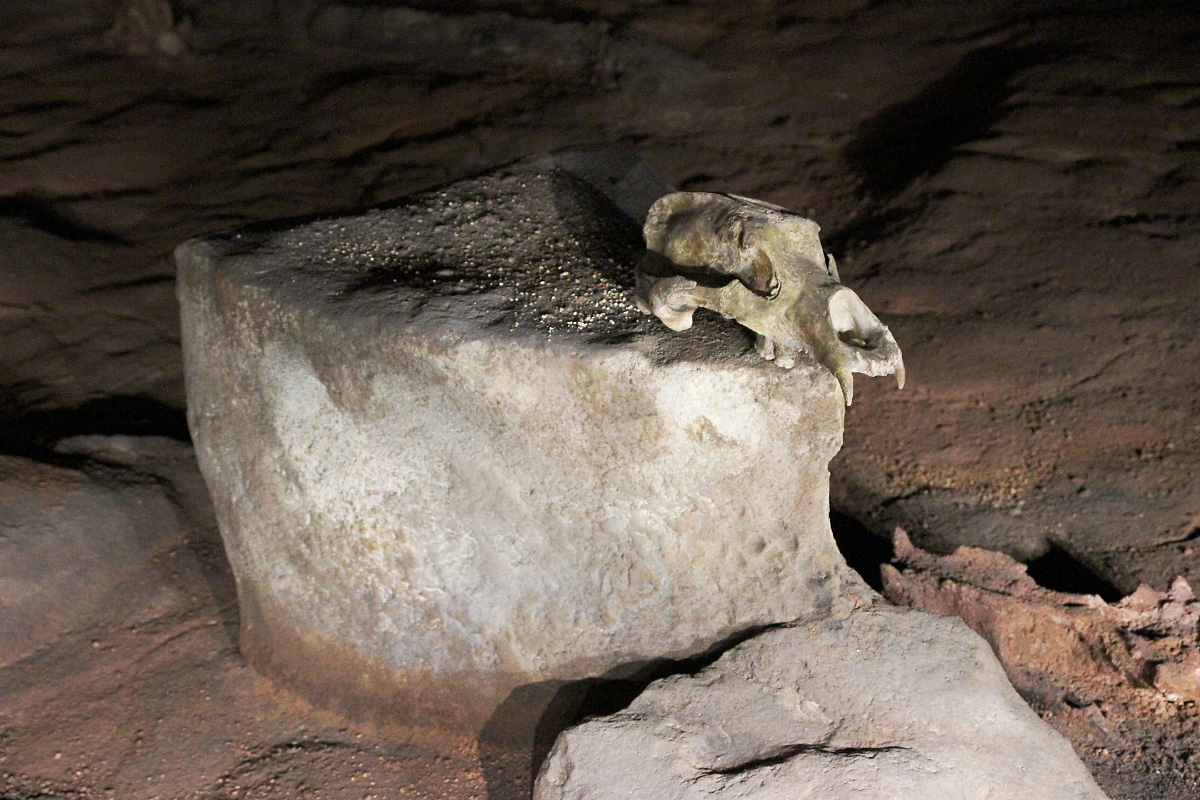
Deliberately positioned skull of Ursus speleaeus in the Chauvet cave – Pont d’Arc, Ardèche, France.

Throughout the ancient and medieval West, there is abundant evidence of a bear cult in Greek and Roman, Germanic and Celtic mythology, with some indications reaching back to prehistoric times.

The most ancient traces of a link between man and bears probably date back to about 80,000 years ago in the Regourdou cave in France, where researchers found the burial sites of a Neanderthal and a bear side by side. From about 30,000 years ago, a growing number of “suspicious” indications have been found in caves shared by humans and bears, in the form of wall paintings of bears, or skulls placed in almost liturgical arrangements. There seems little doubt that bears played a particular role in the palaeolithic bestiary and some authors believe they may also have been an object of worship.

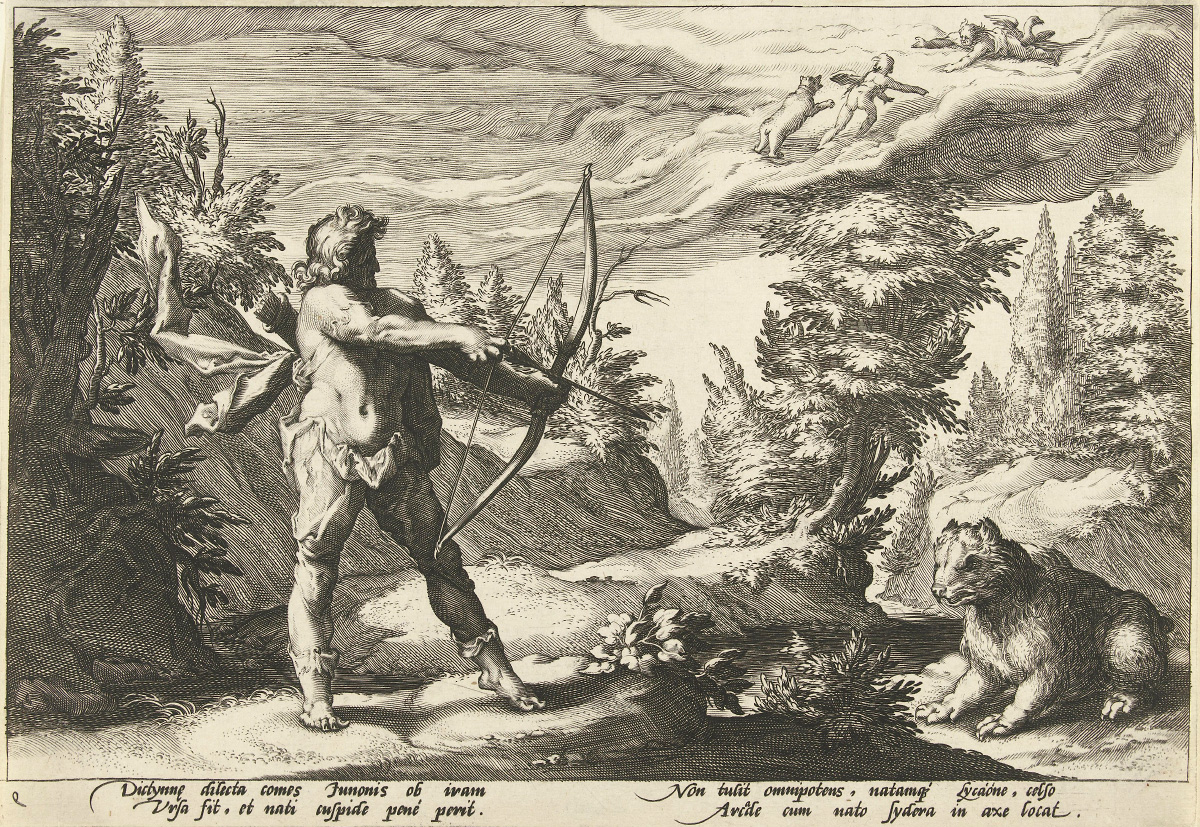
In the myths of Ancient Greece, bears were considered an attribute of certain deities. One of these was Artemis, the goddess protector of animals and hunting, who is represented as a bear together with her priestesses, sometimes known as “little she-bears”. Her very name comes from the Greek word arktos, meaning bear. One of the myths linking Artemis to bears tells of the creation of the constellation Ursa Major. According to one of the many versions, furious with the nymph Callisto for betraying her, Artemis transformed her into a bear and set her hunting dogs on her. The god Zeus took pity on her and decided to save her by transforming her into a constellation.

The myth of Callisto: Arcas pulls his bow against his mother transformed into a bear. Engraving by Hendrick Goltzius and Franco Estius, 1590.

In addition to Artemis, Greek mythology also has numerous myths of female bears feeding and raising newborn infants who grow up to become heroes. One example among many is Paris, son of Priam, king of Troy. The myth tells that before his birth, Paris’ mother dreamed of the future destruction of the city of Troy. Shocked by the premonition, his father ordered his servants to kill Paris on Mount Ida. The servants lacked the courage and instead abandoned him on the mountain. He was found by a bear who saved him from the freezing cold and starvation, until shepherds found him and took him in.

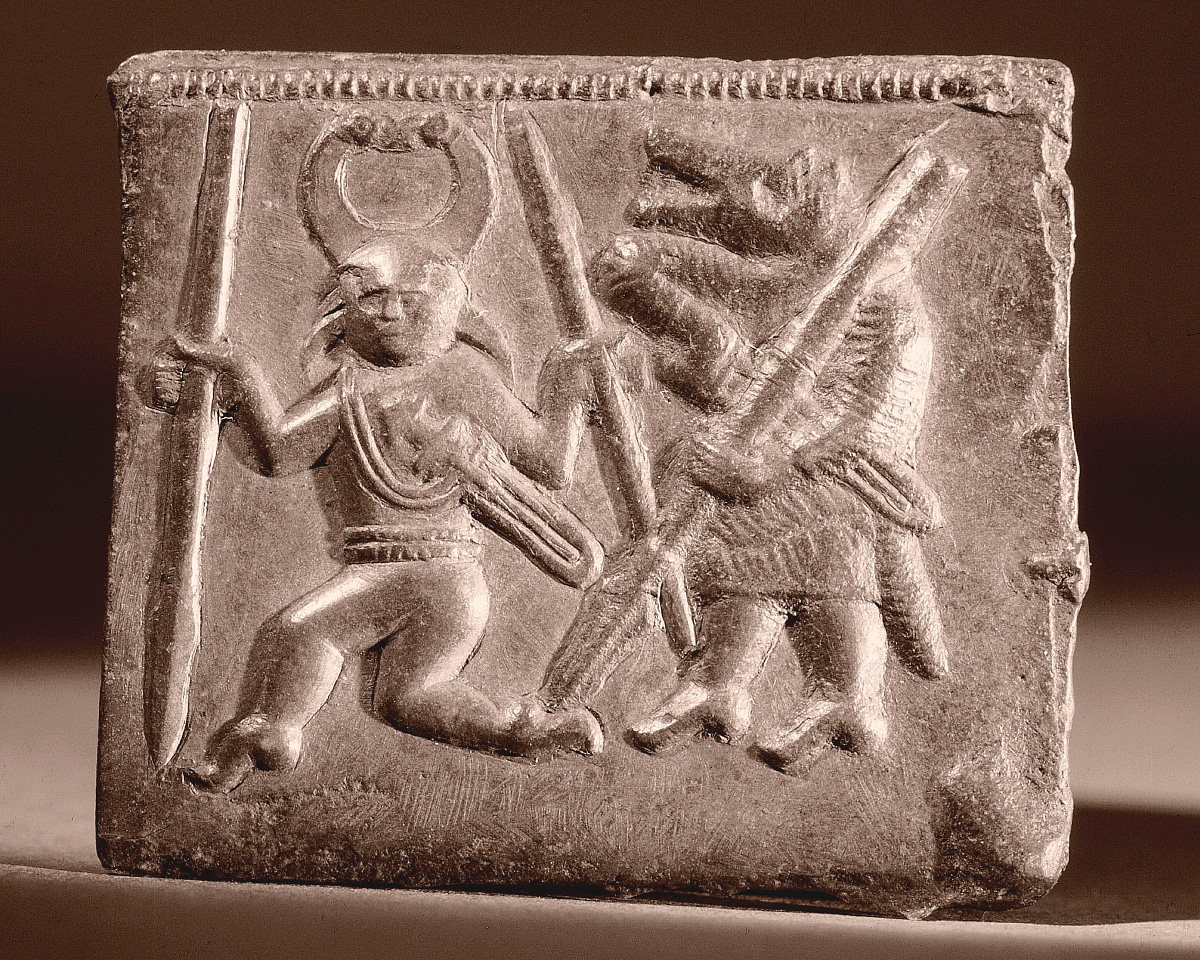
Among the ancient Germanic peoples who spread from Scandinavia to most of Europe from the 19th century BC, bears were considered an emblem of strength, courage and invincibility, the totemic animal par excellence. The bear was the king of the animals and the forest, a deity, or at least a creature halfway between the world of men and that of the gods, an ancestor and above all a warrior. As a sign of respect, bears could not be called by their proper name, but only addressed using alternative lexical formulas. Warriors wore amulets made of bear’s teeth, claws and skins to gain strength and courage. Fighting a bear with their bare hands was a test of courage that allowed boys to become adults and gain the repute of a great warrior. Among the most famous warriors were Odin’s soldiers, the berserkir, otherwise known as “werebears”, who drank and ate bear meat and fought imitating the animal’s gait and sounds. These warriors thus acquired the ability to shapeshift into bears, entering a state of “bearness”.

Viking die used to press helmet plates. It depicts a dancing warrior accompanied by a figure halfway between a man and a wolf. Among ancient Germanic peoples, warriors were often given the attributes of bears or other predators.

Among the Celtic peoples distributed over a vast area of Europe from the British Isles to the Danube basin between the 5th and 3rd centuries BC, the bear was a symbol of power, sovereignty and royalty. Many rulers boasted ancestors with bear-like features, or claimed to have been raised by bears. Some only became kings after fighting against a bear. In all cases it was the connection with the bear that made a man worthy of being king. One of the best known is Arthur, described in legend as being able to kill a man with just a simple embrace.

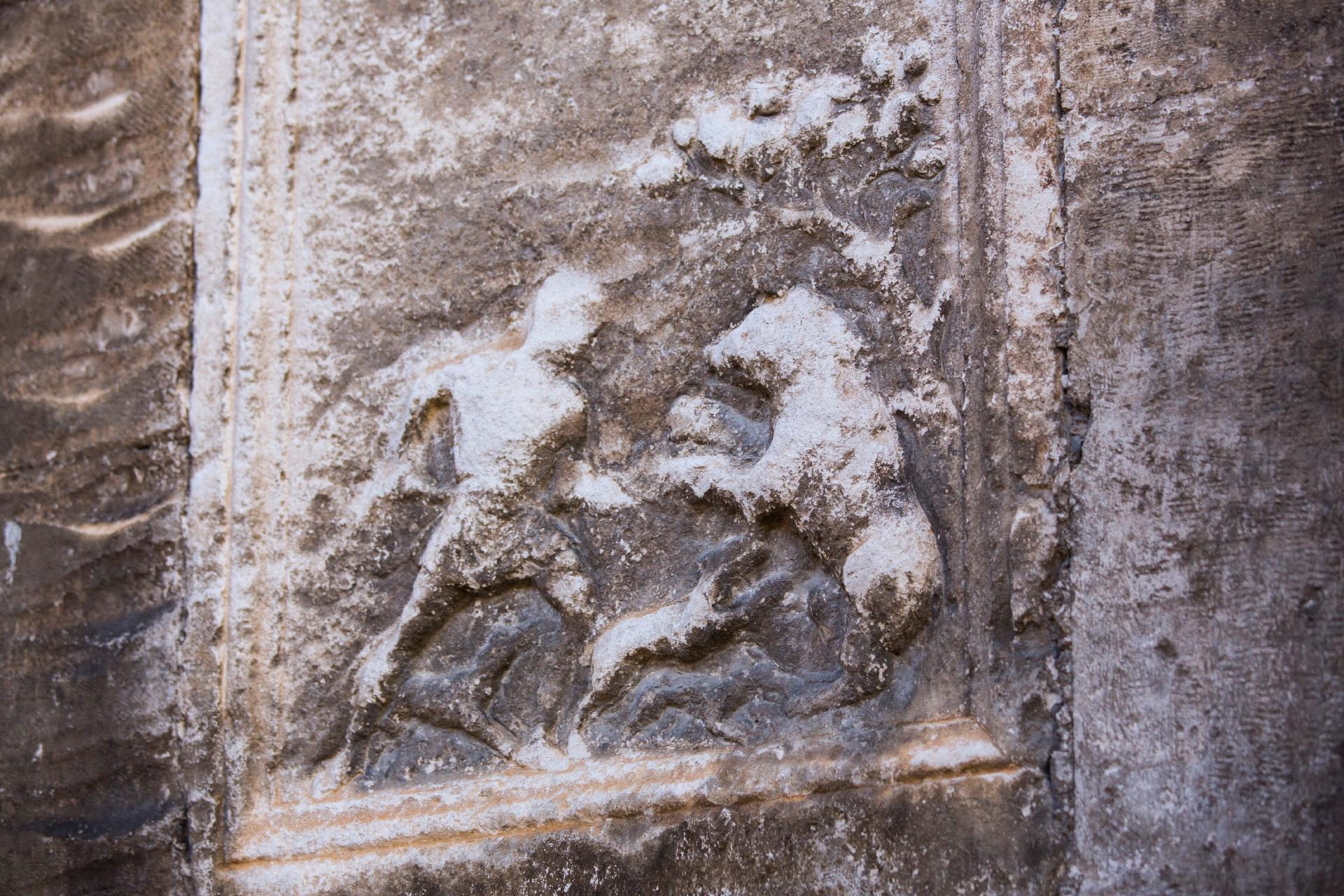
In the Roman world, bears were part of a wilder dimension. They were essentially game to be hunted (to the point of full-scale massacres) and an object of spectacle in circus games, hunts and fights with gladiators. Bear hunting was above all a privilege of emperors and their entourage and, as a sign of both respect and prestige, it was almost always direct “hand-to-paw” combat. Owning a bear was also an attribute of power and only an emperor could have a menagerie with bears. The practice of menageries as the privilege of princes and great lay and ecclesiastical lords continued throughout the Middle Ages. The gift of a bear was a frequent sign of peace or respect between rulers.

Roman bas-relief depicting a bear hunting scene with spear and hounds, kept in Palazzo Tabassi, Sulmona in the province of L’Aquila.

The resemblance between the physique and behaviour of bears and men has led to their worship and adoration, but also condemnation and persecution.

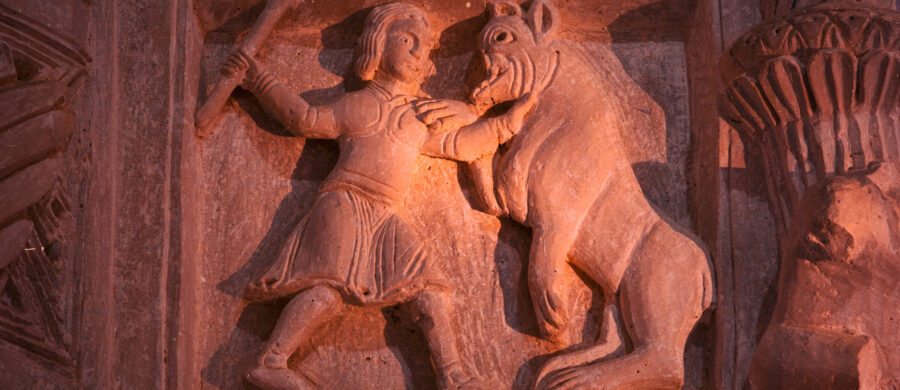
Greek, Celtic and Germanic mythology also depicted the bear as a lover of maidens and young women, with stories oscillating between the romantic and the violent, more often taking the form of abductions rather than love encounters. During the Middle Ages, beliefs expressing this strong attraction between women, queens and the beast spread throughout Europe. They play heavily on the ambiguity of certain historical characters, such as King Arthur or Tristan, the lovestruck king, considered half man and half bear. Then again, during courting and mating, there is a resemblance between men and bears and it was believed they could even procreate. This kind of myth and legend was also common in Italy. According to legend, the noble Orsini family, that gave the world numerous popes and cardinals, originated from a relationship between a man and a bear. Bears also became a symbol of brute desire and in many festivals, from the Roman lupercalia to medieval festivities associated with carnival and the solstices, “playing the bear” came to mean letting yourself go and indulging in transgressive and “abominable” acts, as they would later be described by the Church.

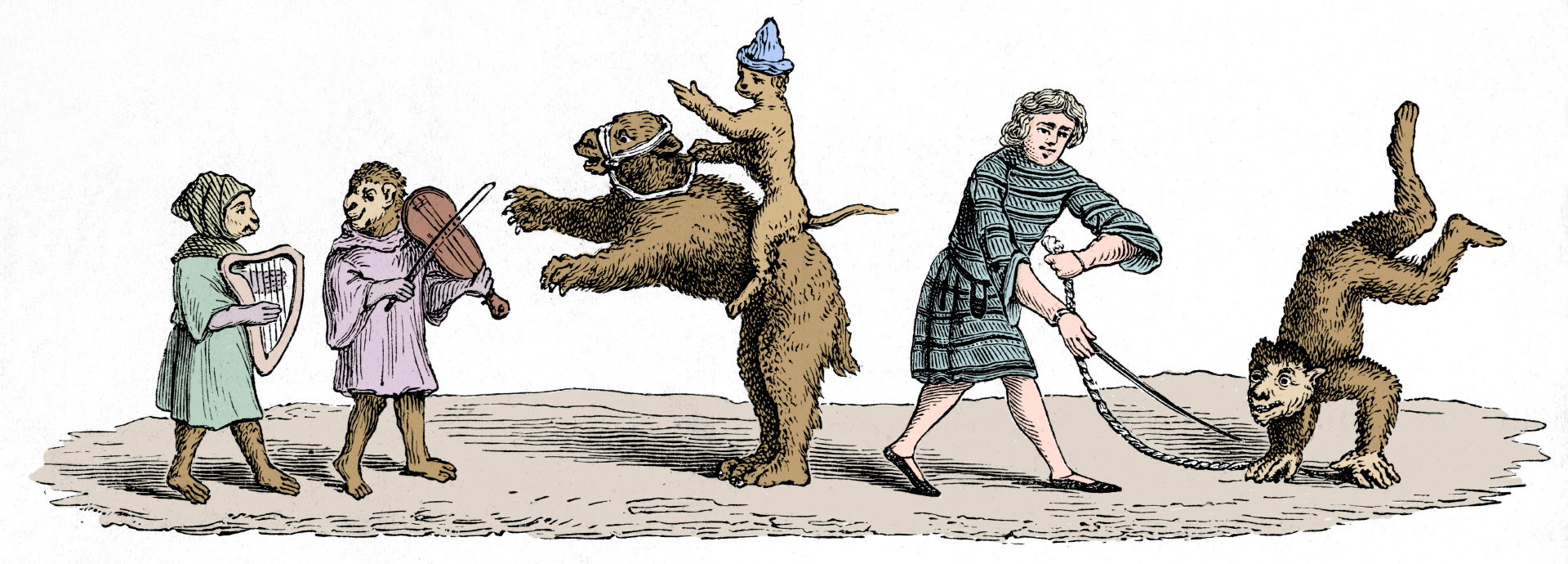
During the Carolingian era, it was precisely the early medieval Christian Church that declared war on the bear, with the aim of destroying any form of pagan culture, considered an enemy of Christ. Bears were physically persecuted and slaughtered in many regions of Europe and eradicated along with pagan cults. In the late 12th and early 13th centuries, the bear was demonised and transformed into an infernal creature and even an abomination in which animal nature was confused with human nature, an affront to God who had created man in his likeness. In the medieval bestiary, the appellation of “bruin” for the bear lost all real connotations and came to suggest a dark, dirty, hairy and shaggy demonic creature. Bears also became an object of derision and were ridiculed in fables and proverbs, where man portrayed them as vicious and sinful. As many as seven deadly sins are attributed to the bear: pride, avarice, lust, anger, gluttony, envy and sloth.

Thirteenth century engraving of a spectacle with a bear and trained monkeys, taken from the “Dictionnaire historique et pittoresque du théâtre […] by Arthur Pougin (1834-1921).

When the figures of saints replaced those of warriors, they were considered the only ones able to redeem bears and convert them to Christianity. Legend has it that Saint Florent of Saumur convinced a bear to guard a flock of sheep, while Saint Romedius tamed the bear that had killed his horse so he could get to Trent to see his friend the bishop.

The long war against the bear continued with modification of the pagan calendars and holidays (many of which were bear-centric) and their transformation into Christian festivals. In the 13th century, bears were dethroned from heraldry and replaced with the lion. They thus ended up losing their regal attribute and were relegated to a wild animal, or a spectacle in squares, where they were muzzled and made to dance or perform acrobatics like a jester.

But the bear never disappeared from man’s imagination and dreams. From the 14th century onwards, romantic legends of bears abducting maidens came back into vogue. Bears gradually re-entered the world of fairy tales with the theme of beauty and the beast, although in many stories they were still ridiculed and depicted as ignorant, melancholic, lazy, stupid or greedy beasts. From Scandinavia to the Mediterranean, there is a boundless wealth of romantic stories about relationships between women and bears and the children born from this union. These tales are populated by children with almost human features, except for thick fur, a bear’s paw, or the ability to speak the language of bears. Even today, there are still some who boast of belonging to a clan of bears and of having had a Jean-de-l’Ours, John the Bear or Gianni Orsino as an ancestor.

In modern times, bears are settling the score by becoming favourite children’s toys, although at the same time they are being marginalised by the world of men.

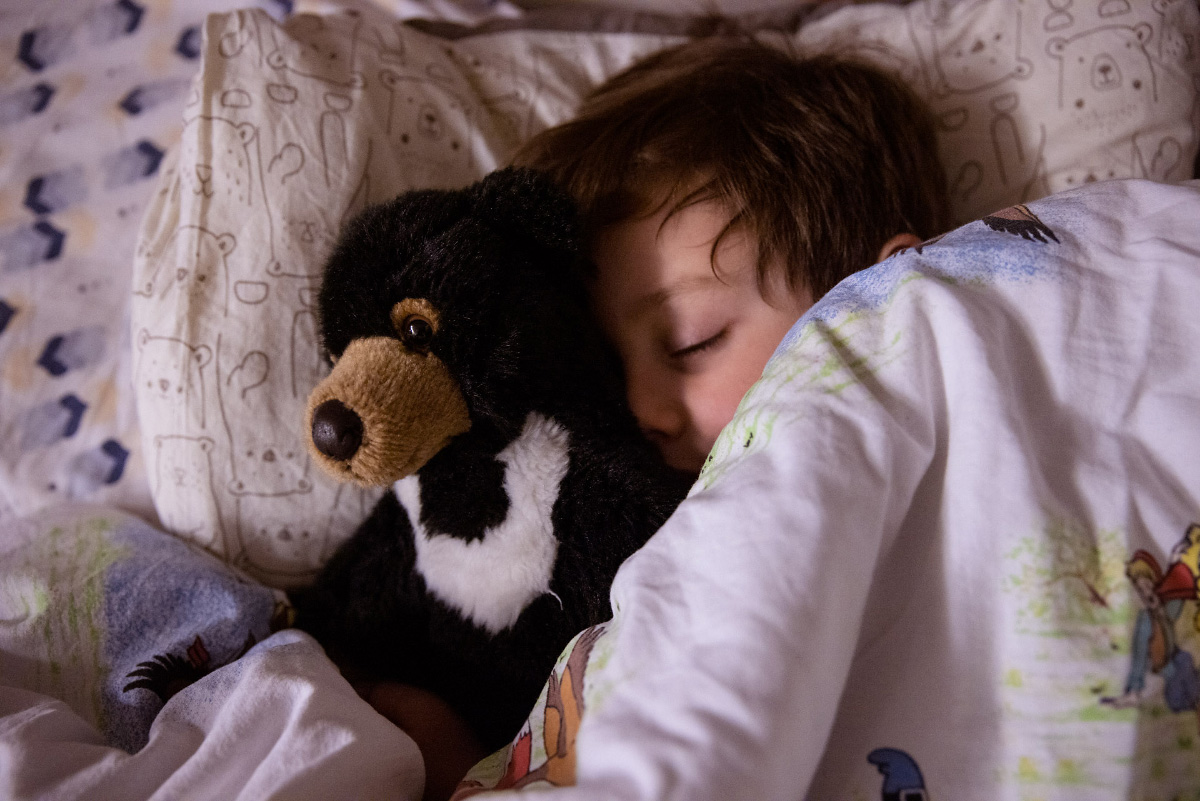
A sleeping child clasps his teddy bear tightly.

Over time, partly as a result of physical and intellectual persecution, bears became increasingly remote and invisible animals, relegated to the mountains and national parks, visible at first hand only in museums, zoos or circuses. But at the same time, they entered the world of childhood, thanks to US President Theodore Roosevelt (1858-1919) and his passion for hunting. It all began when the president decided to spare a black bear cub during a hunting trip, an event reported in all magazines of the time. The media wave led to creation of a soft toy in memory of the episode… and so the teddy bear was born. From the 20th century onwards, the passion for bears as a tender childhood companion exploded. Since then, furry teddy bears have not only populated children’s rooms, but also appeared in cartoons, advertisements and our books. On the other hand, some authors believe it is precisely this process, in parallel with industrialisation, that has contributed to the growing marginalisation of bears, removing them definitively from our everyday lives. Over time, the impetus of industrialisation and depopulation of the countryside led to collapse of the old rural communities and abandonment of their ancient practices and production cycles, breaking the direct link between man and the natural world. Animals were demoted to zoomorphic toys, figures and cartoons, as in Disney, where bears become synonyms for humans and no longer represent their own origins. They wear clothes and lose their wildness. The real animals still exist, but they live in remote or artificial places, such as museums, zoos, films and TV. A rupture has developed between man and nature. They are two worlds that have drifted apart. Nature is distant, an idealised place to seek out, and all the more distant and foreign precisely for that.

Especially in rural cultures, bears have always been a symbol of the cycle of time, the passing of the seasons, death and rebirth and an integral part of many pagan festivals, some of which are still staged today.

Italy is no exception and there is still an echo of the bear cult in many festivals that have maintained certain pagan traits in remembrance or ritual. In ancient times, there was a genuine bear calendar and traces can still be found today. One example is the festival of St. Martin on 11 November. This coincides with the birth of the Saint, known for having subdued a bear to the rank of a mule. But on that same date, countryfolk used to celebrate the moment when bears began to sense the arrival of winter, retiring to their den for two forty-day periods. In farming culture, it was also the moment to bring livestock back to the byre and put the implements to rest. This event was celebrated with violent and transgressive masked festivities and rituals, later abandoned. And this was so for many other autumn festivals that came to be associated with saints who had tamed bears, or had the word bear in their name.

Another example is February 2, also known as Candlemas. This is when Christians celebrate the presentation of Mary in the temple, forty days after the birth of Jesus. But the festival has much older roots. According to the tradition of medieval alpine Europe (but not only), during the night between the first and second day of February, bears wake up from their winter hibernation and observe the sky. If they find it “clear”, they go back to bed, because winter will last forty days more. On the other hand, if the sky is “dark”, then they will come out of their den to announce the beginning of spring. From year to year, this helped farmers remember how to interpret the position of the moon and so to find out if it would be a favourable year (late Easter) or a negative year (early Easter). In the Aosta Valley, it is said that if the weather is fine on the first of February, the feast of Saint Ursus, bears put the straw and hay that will serve as bedding out to dry, certain that winter will last another forty days. In the past, these festivals were also accompanied by dancing and wild games depicting abductions and rape by men masquerading as bears.

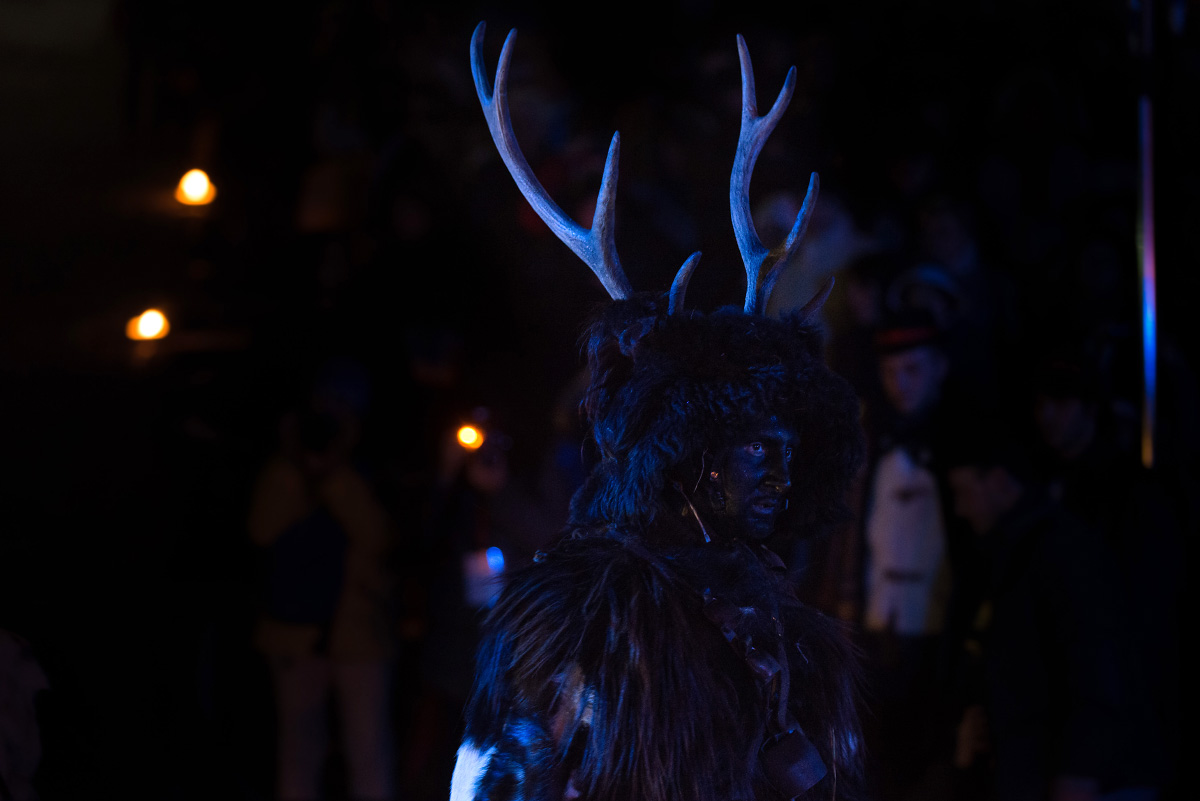
The mask of the deer man, Gl’ Cierv’, a carnival rite from Castelnuovo al Volturno, in the province of Isernia. In the folklore of many Italian regions, wild and ferocious masked figures similar to animals (including bears) in their appearance and movements are very common during carnival.

But the festivities didn’t end at the beginning of February. They continued until the middle of the month with the carnival, with the bear as one of the main characters in some areas of the Alps and central-southern Italy. In some regions in the past, a real trained bear was taken around and made to dance by a bear tamer in the village squares. Later, to maintain the tradition, the bear was replaced by a man wearing a mask who was usually tamed at the end of the rituals. It was believed that when bears emerged from their den, and therefore from the depths of the earth, they were resurrected, bringing with them the dead who became part of people’s everyday life during the carnival. And hence the festivals and rituals. In order to communicate with the dead, you had to become at least temporarily one of them and behave as such (attack, frighten, touch, kidnap, be crazy). This is why many of these festivals still have very potent and violent ceremonies and rituals, a way to exorcise death.

Humans and bears have had a long history of closeness and identification, the traits of which are blurred down the millennia.

The native bear

The native bear

An equilibrium based on exchange and alliance

READING TIME 15 MIN

The bear is a god and, at the same time, ancestor, brother, son and friend for many of the circumboreal cultures which for thousands of years have lived by hunting and breeding.

Examples are the Sami, the Ainu of Japan, the majority of Siberian peoples such as the Nivkh and Ket and native American peoples including the Cree, Beaver and Ojibwa. But numerous ethnic groups have, in fact, been associated with bears in their real or symbolic life. As is often the case in oral cultures, a great many variations of bear-related tales, myths and legends exist, but similar beliefs are found among all these peoples.

A recurring traditional tale tells of a girl, sometimes described as ill-mannered, who lingers in the forest to pick berries. When she inadvertently steps on bear droppings, she curses, breaking the rules of respect for the forest and the animal itself. She is then approached by a handsome young man dressed in a bearskin. The two spend the summer and autumn together, feeding on the food offered by nature, then when winter comes, they find a home in a cave. It is only during the long winter months that the maiden becomes aware of her companion’s true identity. Then in February, children are born from their union.

But there are also stories of young boys and girls being abducted by bears under the eyes of their mother, or of orphans taken under the protection of a bear. It can be a male bear, but more often the children are taken care of by a female, sometimes in human form, with her cubs. These tales have a seemingly predictable ending. The bears are hunted and killed and the humans are reunited with their original family. But there is a twist. Bears have magical powers and are never caught off guard, because they can read men’s intentions. Before allowing itself to be killed, the bear reveals to the abductee or their companions the ritual actions they must perform as a sign of respect for the gift they have received (its death) and forms an alliance with them, giving them powers and skills to become great hunters.

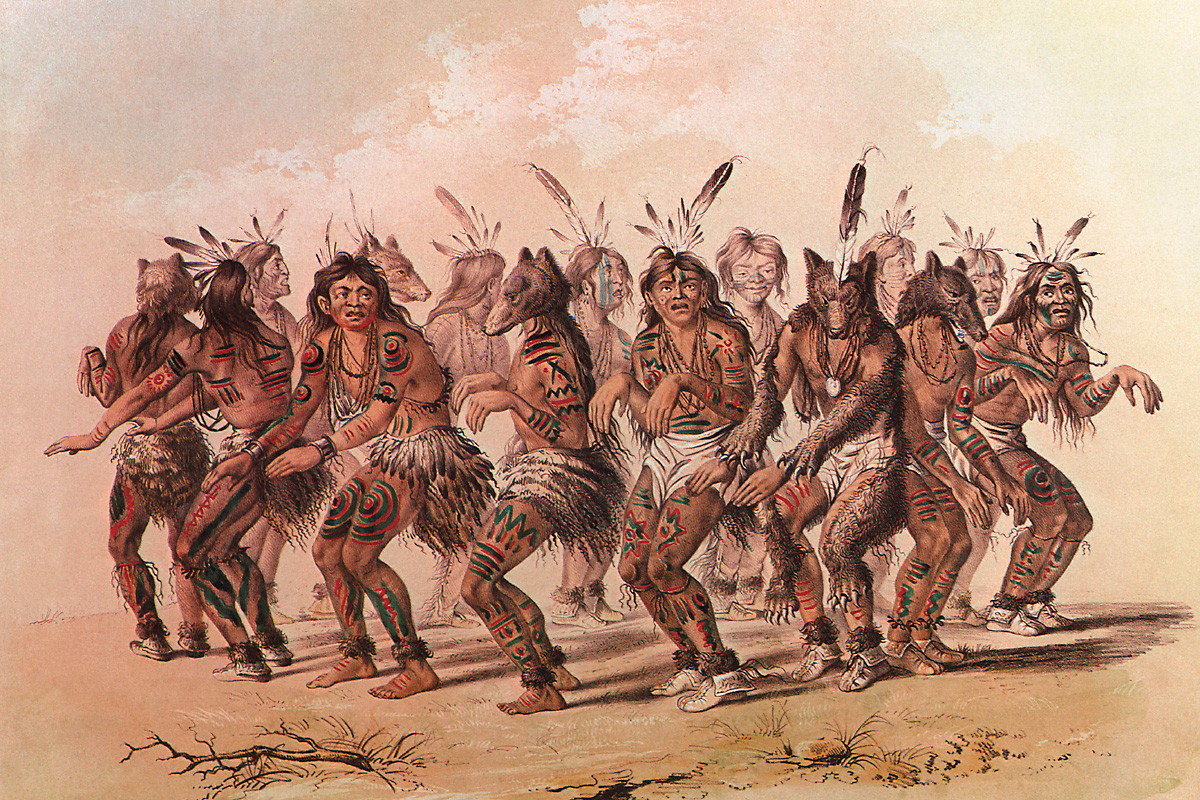
Lithograph of the “Dance of the Bear” from a 1835 painting by George Catlin. In many native North American peoples, people wearing bear masks would perform propitiatory dances, imitating the gait of the animal they were about to hunt.

Bears and other wild animals are considered both physically and magically superior to humans, but there is a relationship of affection and intimacy between them

These stories reveal a vision of man’s role in Nature very different from the Western tradition, associated with the Judaic-Christian culture or Cartesian thought. In these cultures, man is not at the centre of the world and nature was not created for his use. For the Ojibway and Cree, for example, the term “person” does not just identify an individual of the human species. A stone, a fern, a bear or any other animal is also a “person”. All animate and inanimate beings contain a vital part and are endowed with self-awareness and the ability to understand and they are thus able to communicate with each other. Man and nature meet on a plane much closer to the human condition, because they experience the same emotions. In the totemic culture of the Ojibwa, for example, it is the animals that created the world. Animals are considered essentially “human” or rather, an “other” similar to humans and belonging “to the same family”. Even today, every family or clan boasts of their animal progenitors, or of having been born from a union between men and animals. But animals are also closely related to the spirit people who protect them (the spirits of the forest or game).

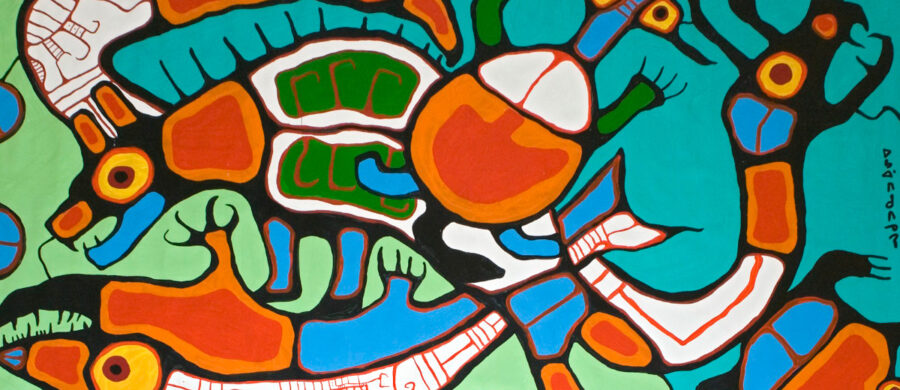
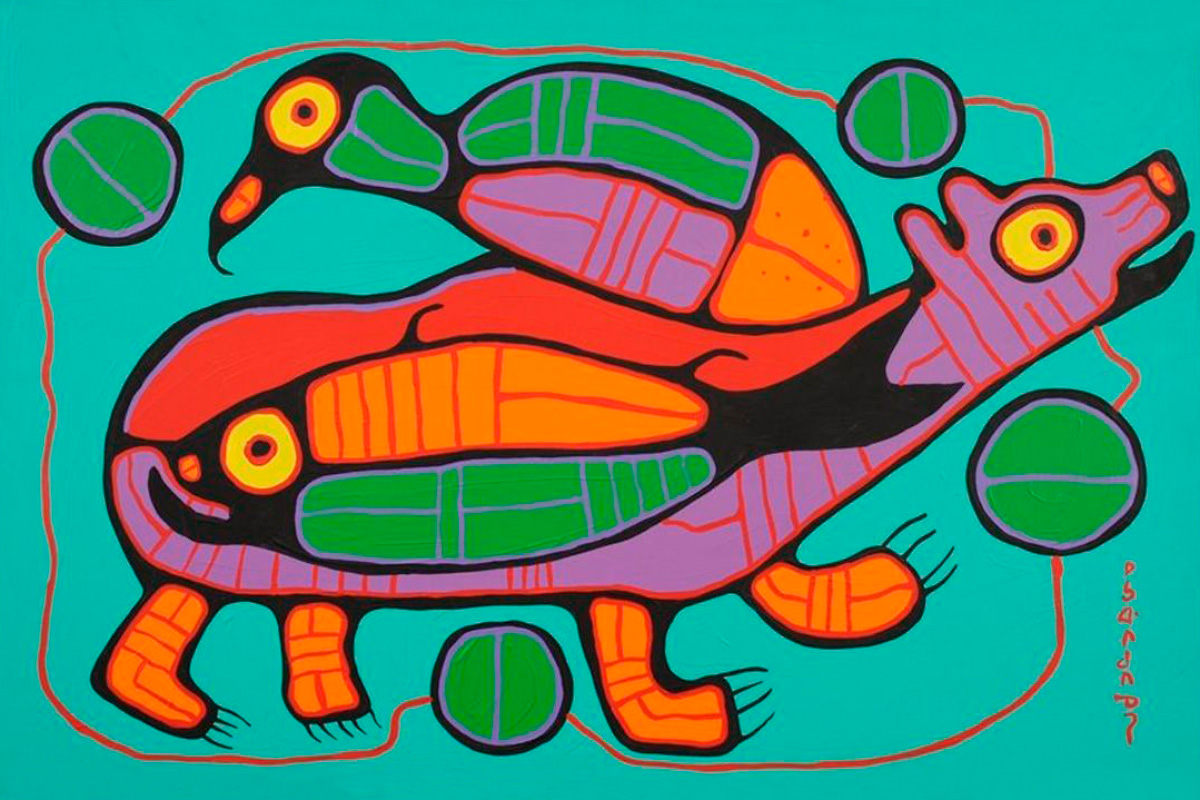
“Painting of bear, bird and fish” by the Canadian painter Norval Morisseau (1932-2007). Like many of his other works, the painting highlights the connections between different species, emphasising the interdependence of the various elements of nature.

So communication with man is not direct, but takes place through prayers, songs, dreams and rituals. For the Cree peoples, spirits live in “celestial” villages in a world parallel to that of humans. They can change their appearance and send wild animals, such as bears, among humans as messengers. For these peoples, there is a wild “society” that “functions” in much the same way as human society, although more idealised. When killed, the animals must return to the place where they originated. For some cultures, the forest is considered an “other” world, different, terrible and fascinating at the same time. For others, it is a spiritual and regenerative environment that requires purification before entering. For everyone, it is a place of magical encounters. Entering the forest is an epic, spiritual, magical experience that must be done with respect. Man is aware that nature can be benevolent and an ally, but also dangerous or malevolent. Relationships with nature can change in unpredictable ways and their direction is determined by man’s behaviour. To live in harmony with nature requires rules and morals, but above all respect. Each being, each “person”, is linked to the other by subtle connections and these can only be broken by a selfish act against nature, attracting the ill will and vengeance of the spirits.

Twisted branches of ancient beech trees at dusk. The forest is a recurring element in beliefs and literature as a topos in which magic and the supernatural are manifested.

In the hunt, it is the bear that offers himself, but asks to be treated as a “guest” so that his spirit may return among the spirits, thus guaranteeing that other bears are sent among men.

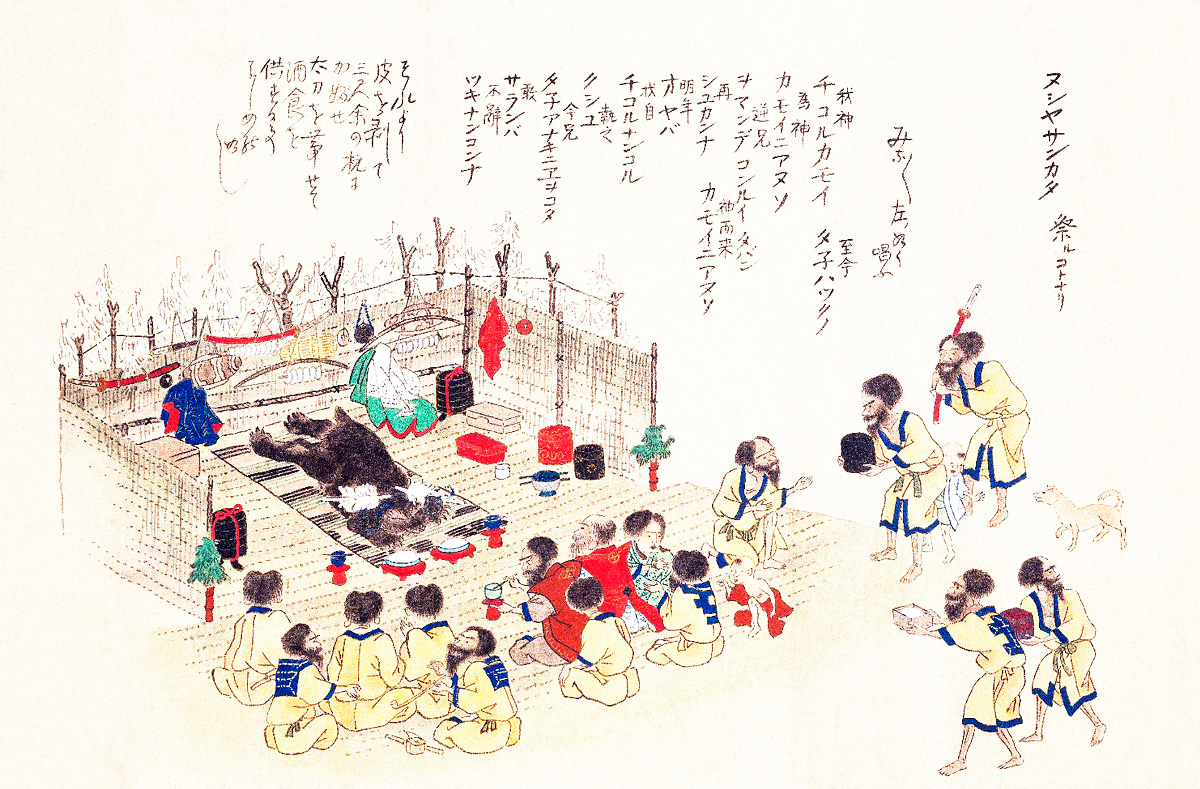
Relationships between men and bears are mostly benign, almost loving, even seductive. This is what emerges from the ceremonies and rituals associated with bear hunting. Many different ethnic groups have hunting rituals and there are great many variations on similar themes. Bears are hunted in autumn when they are fat, in late winter when they are flushed out of their dens, or if they have repeatedly killed livestock. The hunt is lived as a spiritual or magical event and is never accidental, because it is the bear that offers itself. It therefore calls for singing, prayers, rituals, offerings and great festivities. The ceremony appeases the revenge of the spirits, brings good luck in the hunt and prevents diseases, or bear attacks on the flocks. The ritual begins before the hunt and continues through the act of killing until the return to the camp or village. Arrival of the bear’s body is a celebration for everyone. After death, the bear is given hospitality, welcomed into the human social system, dismembered and distributed as food to all members of the camp or village. The bones are then reassembled and hung in the forest to ensure that the bear’s spirit returns to its place of origin, the village of bears. In Siberian shamanic culture, bones have the power to regenerate and recreate the living body. The bear is treated as a person and people come to the banquet with offerings and gifts (such as rice and bilberries), just as they do for a funeral or wedding. The banquet is shared according to a precise hierarchy defined by the body of the bear itself. The elders have more prestige and so are entitled to the best or most magical parts, such as the head, jaw, and neck. They are followed by the men in the hunting party and married women.

Ceremonial scene associated with bear hunting taken from the volume “Ezo Shima Kikan” (Unusual Views of the Island of Ezo [Hokkaido]) by Hata Awagimaro (1799), considered the most important work depicting contemporary Ainu life.

For the peoples of Siberia, taking care of a bear cub is a propitiatory rite to show the spirits that humans are good, thus guaranteeing protection.

Among the Ainu of Japan and the peoples of Eastern Siberia, bears are hunted in dens in late winter to capture the cubs. The cubs born during the winter are brought to the village, welcomed and lovingly raised. Nursing women take care of the cubs and suckle them as if they were their own infants. After a year, at the end of the following winter, the cubs are killed in a well-defined ceremony aimed at sending their spirits to the mountains to find their people who live in a dimension parallel to that of humans. During the ceremony, the bear receives gifts and offerings (millet cakes, cordials and berries). The bear will take the gifts it has received to the spirits and tell them it has been treated well and this will make sure that other bears will be invited to provide food for the village. Among the Ket peoples of the Yenissey in central Siberia, a proper bedroom is prepared for the cubs which are adorned with copper bracelets and earrings. After three years, they are released into the taiga, but as they are recognisable, they are no longer killed, because their role is to carry the message of man’s goodness.

The bear is central to the culture of these peoples, because it embodies the man/animal metaphor better than any other animal and is one of the most magical, or rather, among those with the most powers.

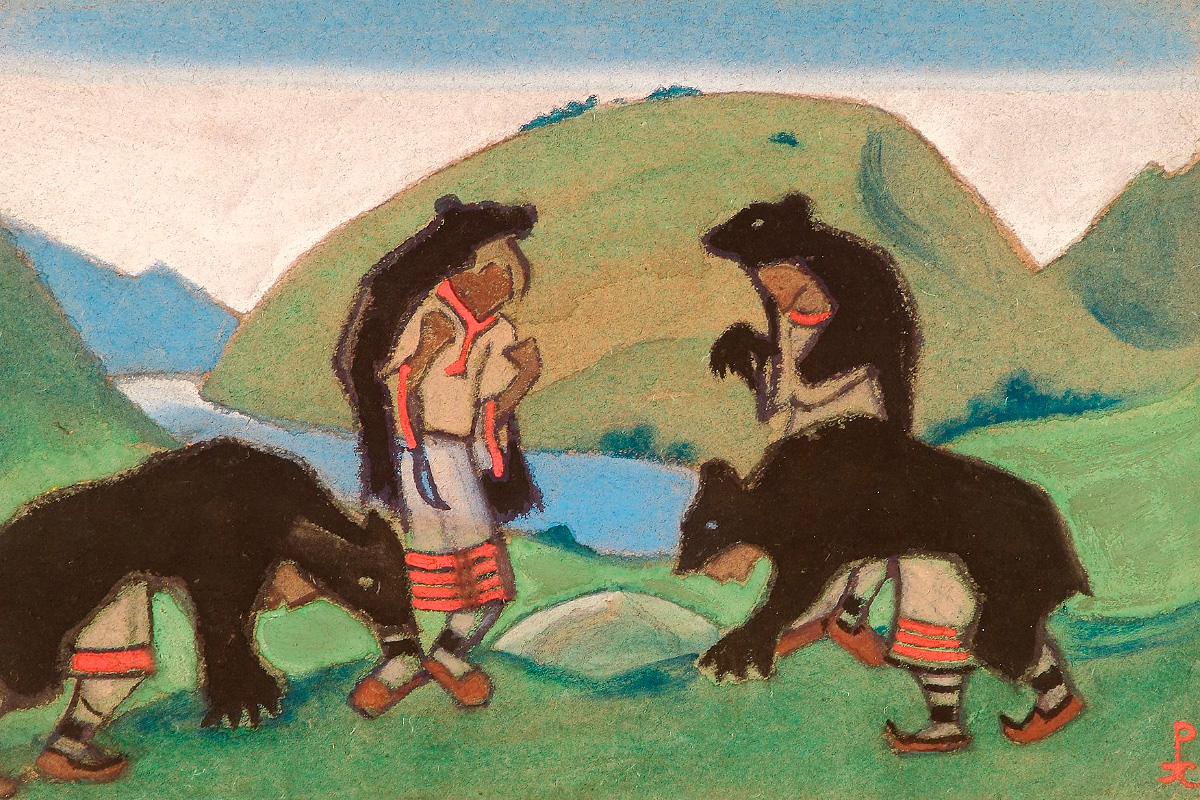
“Ancestors wearing bearskins” by Russian painter Nicholas Roerich, 1944. The portrayal seems to echo the ancient shamanic tradition of the peoples of northern Asia.

Ethnographic information and accounts indicate that the bear was, and is, considered to be endowed with human characteristics for a number of reasons. The structure of its paws is similar to that of our hands and its erect posture resembles our own. Then once skinned, the anatomical features of the bear are very like those of a human, in particular a woman. Bears and men follow the same paths, they are intelligent and cunning. Female bears are loving to their offspring. The bear thus plays a totemic role in many cultures, in other words, it is considered as an ancestor or relative. Among native peoples, each member of the clan has his or her own totemic animal and, not surprisingly, bears are the guide animals of shamans, herbalists and guardians of law and order. The bear is believed to have the power of a shaman. It can predict the future, engage in magical fights, sing, transform itself, disappear and also reveal magical formulas and medicinal ingredients. Its power is at its maximum in the den, when the bear is in a state of apparent death, between sleep and wakefulness. Endowed with supernatural hearing, while in their den, bears are thought to be able to hear all men’s thoughts and ascertain the truthfulness of their oaths. It is therefore best to avoid pronouncing the bear’s name, instead using circumlocutions such as “the angry one”, “short tail”, “lord of the forest”, “honey paw”, “father”, “grandfather”, “old uncle of the woods” and “honey eater”.

The bear comes back to life after hibernation, it is regenerated from the bones hanging in the trees and is considered immortal and a healer. Every part of its body is medicine for men. As they are “sacred”, bears and the forest are also considered pure and innocent. Finnish peoples believed that a normal bear was always innocent and incapable of hurting people. A bear that attacked or killed cattle or people must have been “bewitched”.

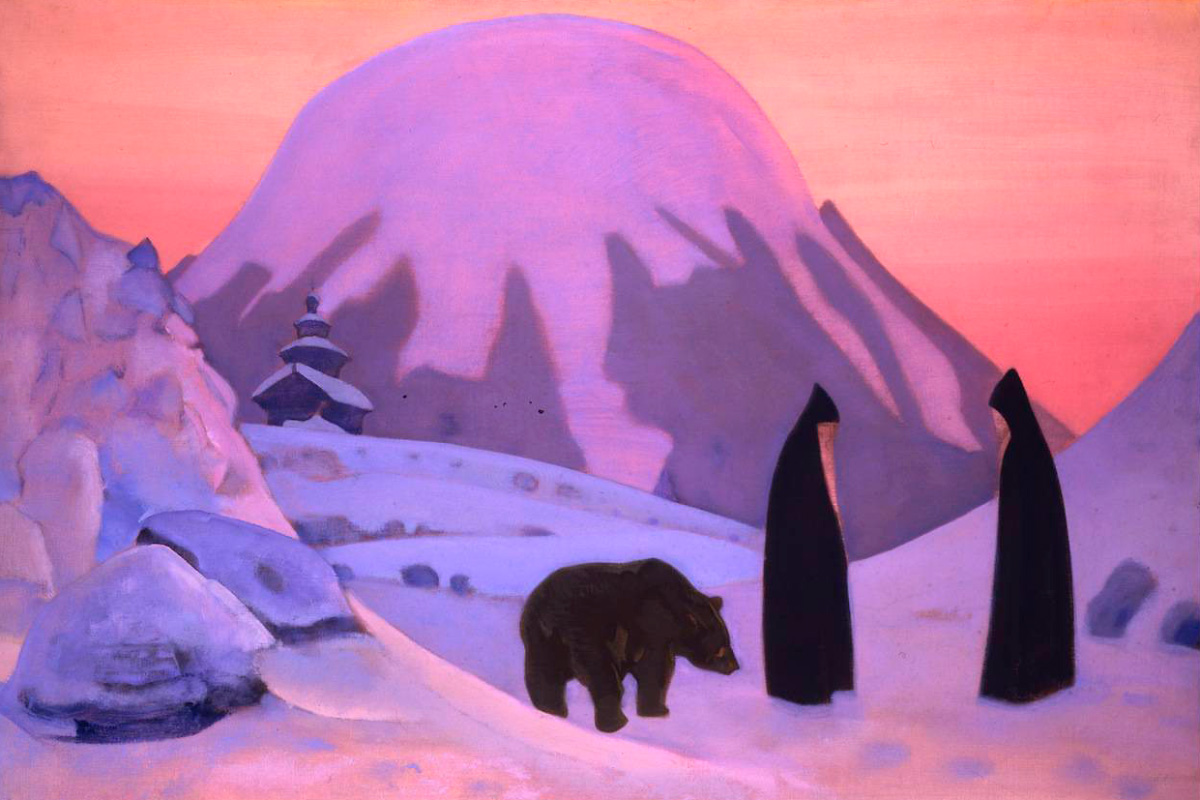
As they disappear in winter and reappear in spring, the bear marks the seasons and is the “door” to enter the world of spirits beyond the sky.

“And we are not afraid”, Nicholas Roerich, 1922. Although the scene depicted is contemporary, it seems hinting to the ancient belief that bears are responsible of the passing of seasons.

In many cultures, the bear symbolises the cycle of time, the passing of the seasons and the death and rebirth of nature. All the peoples in the circumboreal zone have always had a deep knowledge of the constellations, using them to keep track of the passage of time. In a legend among the Miꞌkmaq people, a female bear comes out of her long winter sleep in search of food. The first animal to spot her is a titmouse, who during the summer and into the autumn enlists six other birds to kill her, freeing her vital spirit which will sleep lying alongside another bear. Ethnologists have discovered that all the elements of this legend have a stellar correspondence and follow the rotation of the stars in the Ursa Major in the sky from spring until autumn. According to the Oji-Cree, the constellation of the Pleiades was also known as “the bear’s head” and its position in the sky at the zenith indicated that spring had arrived (coinciding with awakening of the bears from hibernation). This is also commemorated in Italy in the alpine festival of Candlemas. But the Pleiades were also believed to be a hole in the sky, a door communicating with the empyrean heaven, with the bear as mediator.

The constellation of Ursa Major above the silhouette of a centuries-old beech tree in the Central Apennines. The evocative power of these seven stars has ancient roots and recurs in different peoples and cultures.

For many peoples living by hunting and animal husbandry, the bear has always been considered an ally and worthy of respect. Breaking a bond with the bear is considered a selfish act against the entire community.

Men who offend bears and nature are destined to become spectral bears and victims of suffering and disease, bringing with them misfortune and woe.

People and bears

People and bears

From the caves until today, the lives of men and bears have been inextricably intertwined

READING TIME 11 MIN

The relationship between man and bears goes back a very long way and probably began in a cave, as shown by heaps of bear skulls arranged in “altars”, joint burials and rock paintings dating from at least 30,000 years ago.

A cult? Maybe. But it is clear that where bears and humans lived in the same place, the presence of the bear did not go unnoticed. Over time revered, loved, hated and fought against, probably because of its strong resemblance to man himself, today in Europe the bear has been physically and culturally deposed from its land, although indelible traces still persist in myths, legends and popular festivals. In many parts of Europe, there are ideological, political, cultural, ecological and biological reasons behind the disappearance of bears. Although today bears live on not so much in real life as at the margins of society, occupying zoos, films, magazines, books and children’s beds, in the Apennines the bear still survives in its authentic wildness and in a very special natural and cultural context.

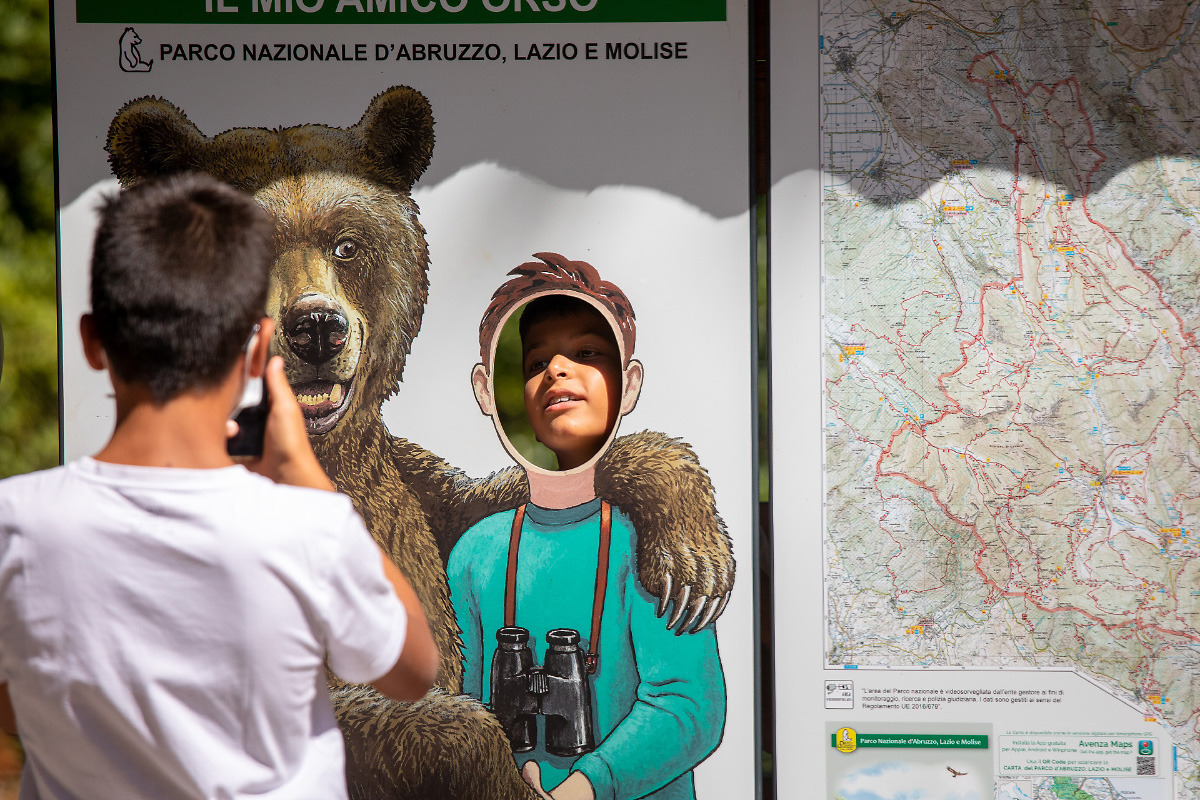
Children play with an ALMNP sign depicting the Apennine bear. Compared with other contexts, the perception of the large plantigrade is particularly positive here.

To satisfy its energy needs, a bear must be sure of a varied and flexible diet rich in nutritious foods and be free to move about within hundreds of square kilometres of the environmental mosaic of forests, mountain grasslands, cultivated fields and pastures produced by millennia of coexistence between man and the environment in the Apennines. Bears are creatures of habit, in other words, they return regularly to their preferred locations, where they look for food or shelter along routes that could be defined as “traditional”. And this is how they prepare for the long winter to be spent fasting. For bears, the time available to eat and amount of food needed to build up their fat reserves are tyrants. So when possible, they prefer quiet territories far away from humans. Their adaptability is nevertheless amazing and certainly greater than our ability to accommodate them. 

People are a real challenge, even for an opportunistic species like the bear and continue to jeopardise its future.

With his mining and building, productive activities such as arable and animal farming and recreational activities such as tourism and hunting, man has altered, fragmented and even destroyed entire “mosaics”. This is a real challenge, even for an opportunistic species like the bear.  Hence its disappearance and numerical reduction in many countries, including Italy. Bears have not only lost “ground”, they have also been hunted and persecuted, particularly in southern Europe, where bears were decimated quite recently (the last 200 years). In Italy, bears became extinct in the Alps and in most of the Apennines. In the middle of the last century, a few dozen individuals managed to survive high up in the mountains of the Abruzzo, Lazio and Molise National Park and its immediate surroundings. This was doubtless due to the harshness and wildness of the area, but also to a gradually growing process of awareness and protection.

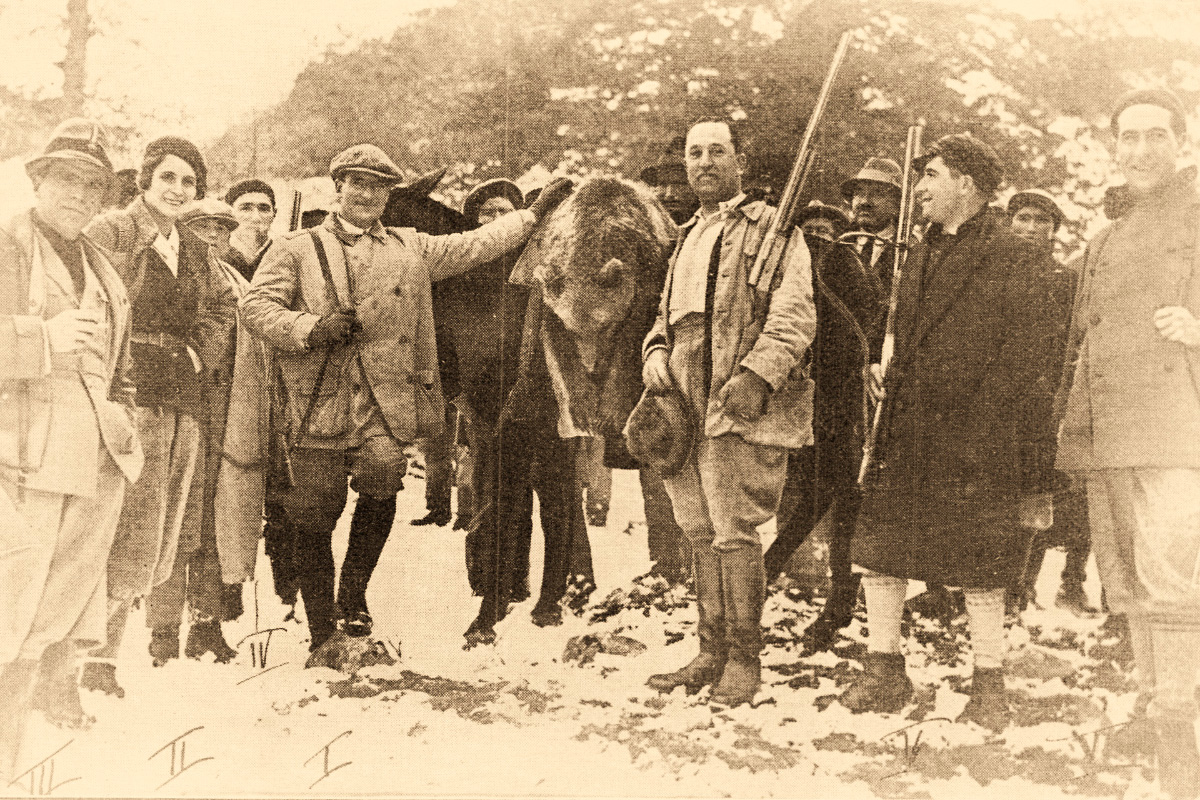
Vintage photo showing some notables and local personages involved in the last official bear hunt in the Abruzzo National Park in 1931. (© Archivio M.Mancini – Campobasso)

But the dangers and threats have not disappeared completely. With his heavy footprint, man continues to jeopardise the future of this now vulnerable animal. Bears are few in number and therefore very susceptible to catastrophic events that could decimate the population in the coming decades. Every year they die at levels not considered compatible with a growth in their numbers. These animals are genetically fragile, as millennia of isolation and a drop in numbers have depleted their genetic makeup, making them less adaptable and too closely related to one another. This exposes them to the adverse effects of inbreeding depression, such as reduced fertility and infant survival. 

But all is not lost. The good news is that Marsican bears are surprisingly viable from a reproductive point of view. So researchers believe that by reducing mortality, this subspecies could return to repopulate the Apennines (over the 5000 km2 available) with an autonomous and viable population of over 200 bears. Although there is still room for bears in Central Italy, some areas are too fragmented and risky for the females. In the wild, bears can reach up to 30 years of age, but even today, humans are the direct or indirect cause of over 80% of bear mortality. Over the past two decades, up to five bears have died at the hand of man in a year. If you go back another 30 years, dozens of bears were killed. 

These are alarming numbers, especially given that deaths include the few adult females able to reproduce and those trying to occupy new areas of possible expansion for the species. But what do bears die of in the Apennines and what are the factors of conflict?

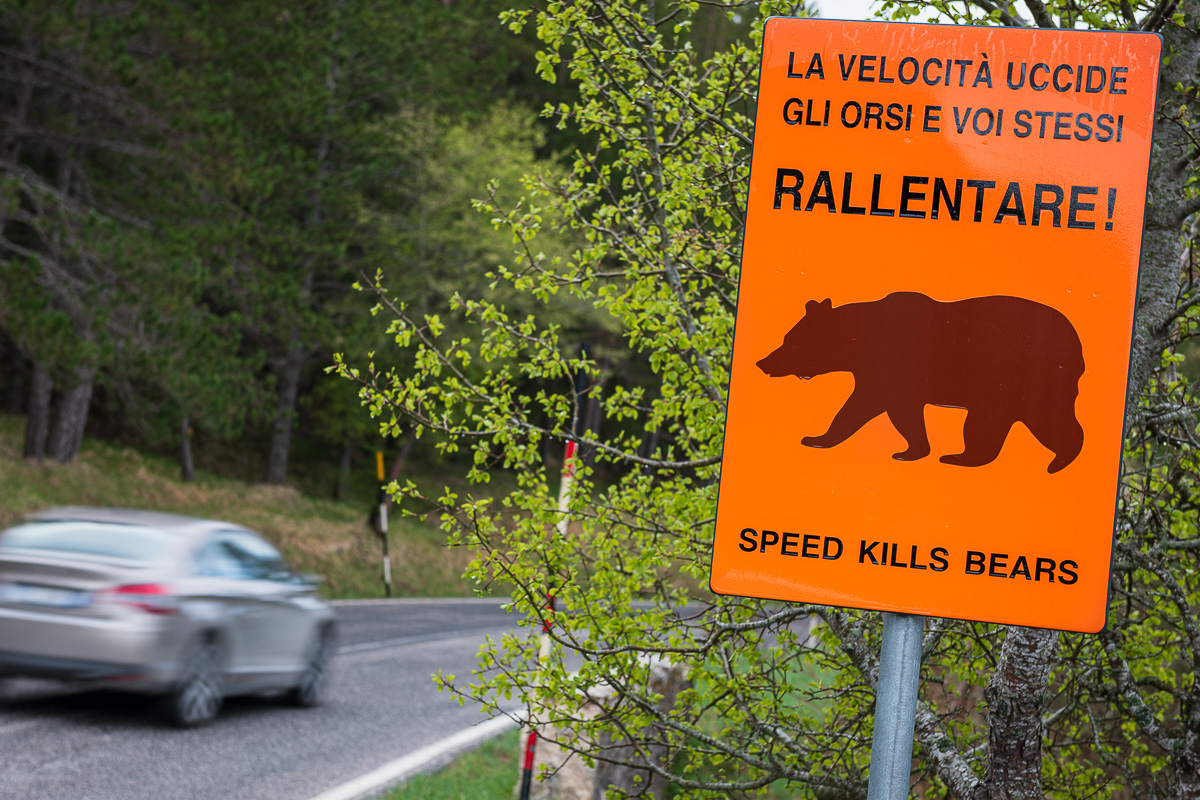
Left – A sign urges drivers to drive slowly in areas where bears are present. Right – A bear hit by a vehicle and killed in Molise in 2019.

The presence of both tarmac roads and dirt tracks not only increases the risk of bears being hit by vehicles, but also makes the area permeable, facilitating poaching from which bears are not immune. Roads with heavy traffic, such as highways and motorways, act as barriers to the bears’ movements, limiting the population’s opportunities to expand. Females are the most susceptible and their lack of dispersal is the main obstacle to the creation of new breeding nuclei outside the National Park. Solutions do exist to reduce the risks, but they require collaboration between institutions and the public: road education, structural interventions, suitable signs and sound and/or light warning systems for drivers and animals.

Bears that venture outside the boundaries of protected areas are at greater risk of being involved in hunting accidents or poaching.

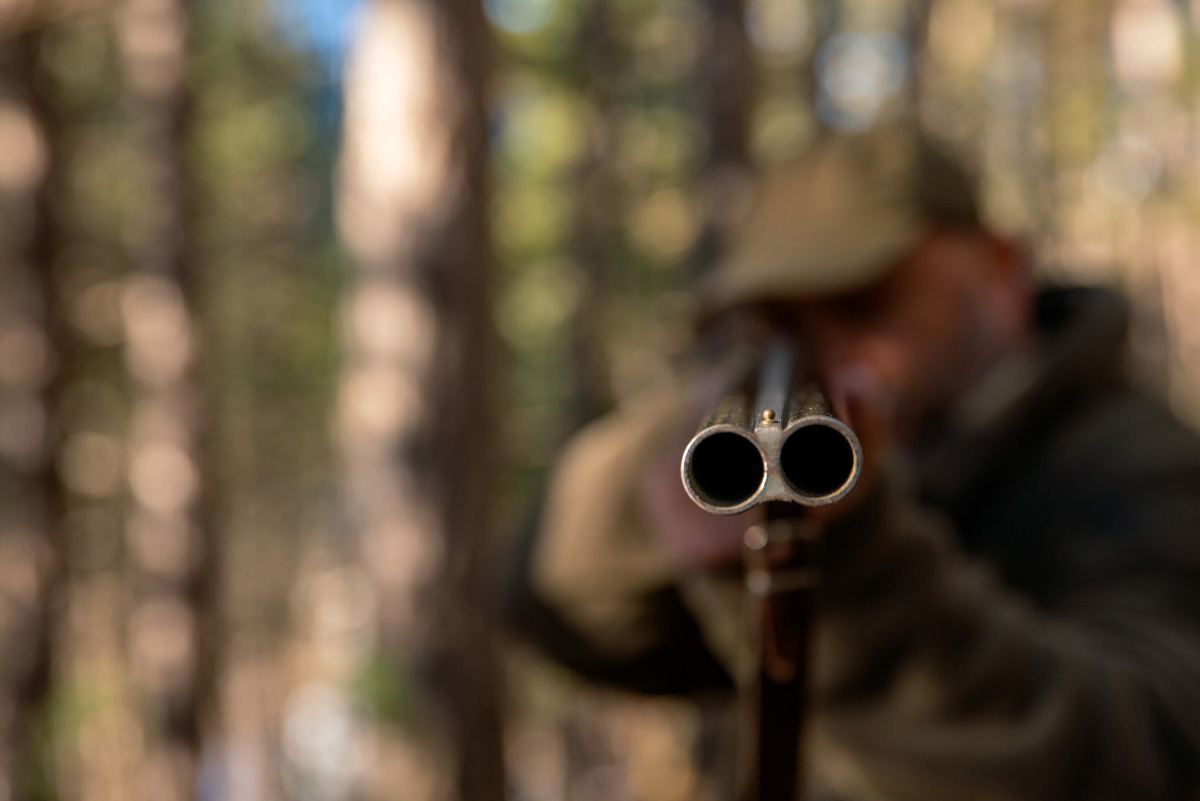
Bears can fall victim to firearms, snares placed by poachers to capture ungulates, or poisoning. Sometimes bears are also killed accidentally during hunts. Regardless of cause of death, autopsies have revealed shot pellets lodged in the bodies of most of the bears found dead. This underscores the risks these animals face during the autumn when they try to cross unprotected territories or the buffer zones of a National Park. These problems could be solved by a greater and better coordinated law enforcement effort and the adoption of hunting methods more compatible with the presence of bears.

Bears sometimes kill livestock or damage beehives and some individuals have made a habit of venturing into villages in search of easy food, such as fruit, vegetables and unprotected farmyard animals. These situations can lead people to feel insecure economically, but also uneasy and afraid for their safety. The phenomenon of bears becoming accustomed to the presence of man is also a worry for the authorities, especially in protected areas where the phenomenon could increase in the coming years, given the boom in fruition of these areas. There are also concerns for the increase in opportunities for close encounters between bears and people, with potentially unpredictable outcomes. In the Apennines, there is no record of attacks or injuries, not least thanks to the docile nature of this subspecies. However, such an event is to be avoided at all costs, as it could represent a source of unpopularity or fear, or lead to a bear being removed from the wild, a huge damage for such a tiny population of individuals.

But all is not lost. Prevention and incentive systems have been identified and could help mitigate conflict, if implemented in collaboration with the various interest groups. Furthermore, given that climate change could affect the availability of natural food resources, prevention and environmental restoration are priorities to avoid the risk of increased conflict. 

A bear in search of fruit crosses a village in the ALMNP during the night. (© Marco Colombo – www.calosoma.it)

Over the last 20 years, especially in protected areas, there has been a boom in tourism in areas frequented by bears, partly aimed at experiencing nature and observing the animals. Although the economic benefits for local populations and for the image of the bear and its conservation are unquestionable, the pressure exerted on the environment and the animals can be excessive and further regulation is required. There is evidence that bears can experience nutritional deficits if disturbed or obliged to move away from their optimal food sources. Female bears are evolutionarily programmed to adapt to changes in the amount of food in the wild, but at great cost. If the fecundated bears fail to reach the right weight in autumn, the foetus may be reabsorbed and the female will leave the den in spring without cubs. Bears are also particularly sensitive in winter. For example, if disturbed in the den, females may abandon their cubs. These stories without a happy ending are alarming, considering the extreme vulnerability of the Apennine bear. But these activities can be carried out in an ethical manner, minimising disturbance to the animals.

Enthusiasts, photographers and the curious concentrate on the outskirts of a village to get a close-up look at a family of bears.

There are still real opportunities to protect bears and more than one reason to protect them.

More than 60% of the area frequented by bears and their possible future expansion zone is covered by various forms of protection. This provides real opportunities for planning and controlling the territory to protect the bears. However, the risk of bears encountering a fatality is very high, even in a protected area. All the conditions are therefore right for the population to grow in numbers and expand, but not without a renewed effort to protect the bears, giving priority to certain types and methods of intervention. The solutions are complex and require time and the involvement of all sectors. From central government to the local authorities and from management bodies to associations, interest groups and the general public, we all need to work together to find long-term solutions. Since the establishment of the Abruzzo, Lazio and Molise National Park, much has been done to protect the bear, in collaboration with various interested parties, also beyond the borders of the Park.  An encouraging basis from which to tackle what remains to be done. 

Why conserve bears? Attempting to answer this question is to enter a multidimensional universe. The most immediate answer is that the bear is protected by international and national laws and, democratically speaking, its protection is therefore desired by the majority. On the other hand, from an ethical standpoint, bears are living beings like us and as such deserve to exist. But we human beings are still made up of values, perceptions, emotions, prejudices, cultures, interests and experience. All we can do is try and strip away all the skins man has dressed bears in to rediscover their natural and undeniable role. 

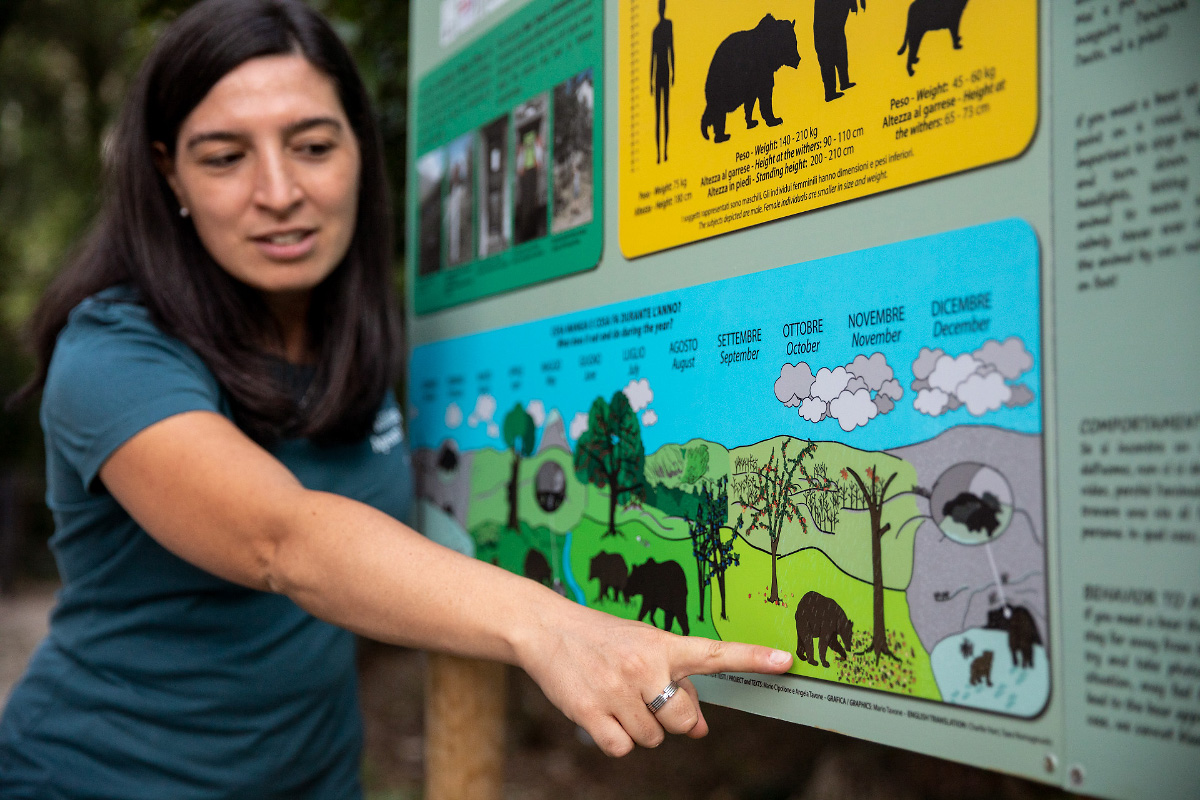
An information panel illustrates bear biology in the municipality of Pettorano sul Gizio (L’Aquila), seat of a Bear Smart Community project.

Their need for vast spaces makes bears true sentinels. Their presence indicates a healthy and diversified ecosystem, able to ensure the survival of a wide variety of species. Bears have a function in ecosystems because they are interconnected with the communities of plants and animals with which they share the space. Through their digging, the excrement they deposit and the remains of food they leave, they fertilise the soil, making the plants more productive and enriching the waters. By spreading the seeds of many fruit plants through their droppings, bears provide food for rodent populations. A bear can change the life of an ant as well as that of a tree. Ensuring the future of bears means preserving an entire ecosystem and also ensuring the survival of every other species, including our own. But preserving bears also means saving the identity of many peoples and cultures, not least in the Apennines.

Alive, the grizzly is a symbol of freedom and understanding – a sign that man can learn to conserve what is left of earth. Extinct, it will be another fading testimony of things man should have learned more about but was too preoccupied with himself to notice. In its beleaguered condition, it is above all a symbol of what man is doing to the entire planet. If we can learn from these experiences, and learn rationally, both grizzly and man may have a chance to survive.

– Frank Craighead –

BACK
error: Content is protected !!